Jump to:
The wind whistles in the thorn trees. On a solitary acacia, a vulture ruffles its feathers. Above are endless skies to match the seemingly endless horizons. This must be the Masai Mara, home to the greatest animal show on Earth.
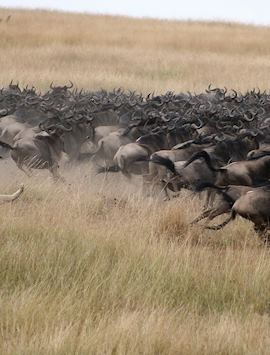
The Mara Game Reserve, as it was originally known, was established in 1961. Today, it’s one of the best-known wildlife areas in Africa, home to healthy big cat populations and an abundance of plains game, bolstered by the arrival of millions of wildebeest during the Great Migration. Visit at any time and you have a good chance of seeing lion, elephant, cheetah, Masai giraffe and buffalo, as well as varied birdlife, hippo and crocodiles along the rivers.
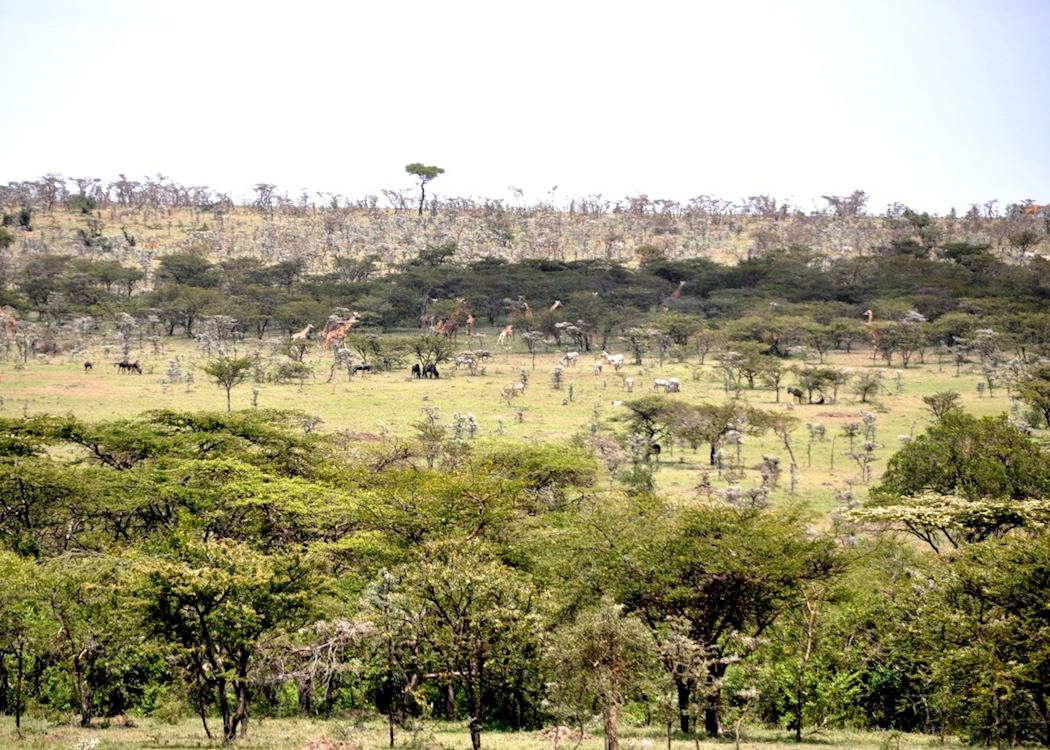
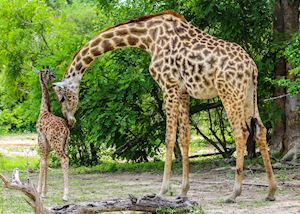 There’s a reason the Masai Mara National Reserve is so well known and popular with visitors. Point a camera and in one shot you might capture dazzles of zebra and a scattering of impala, wildebeest and gazelles, elephant marching in a line and lanky giraffe nibbling the acacia trees, all against a backdrop of distant hills and vast open plains.
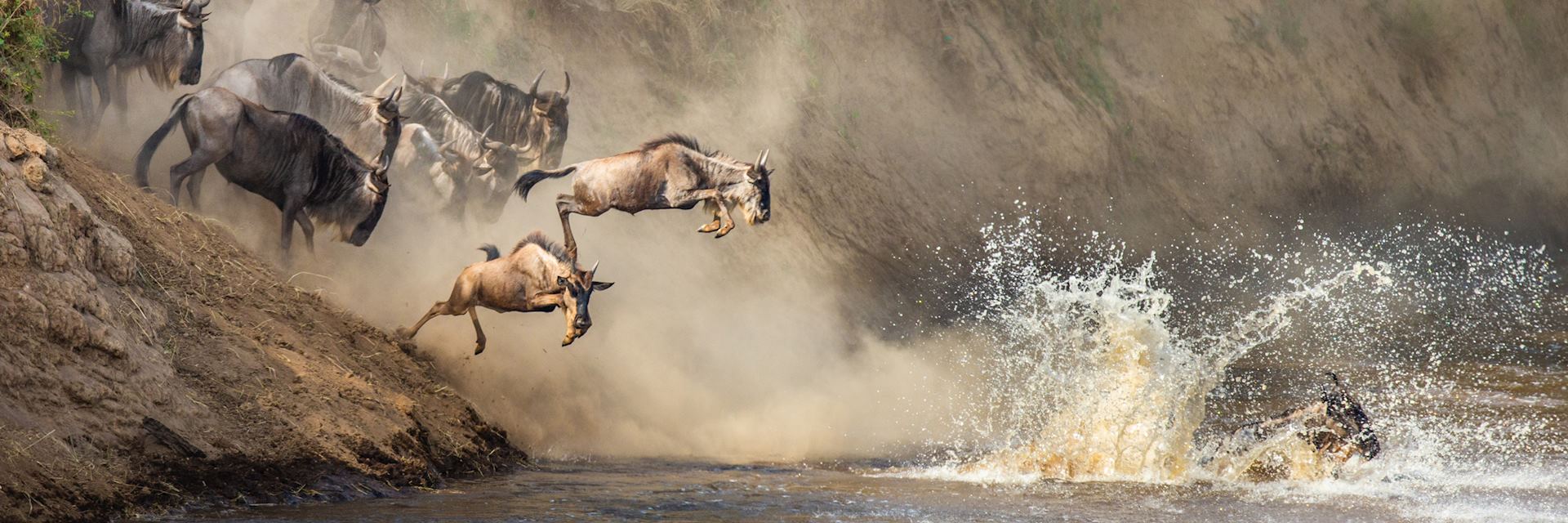
Everything's big here: it’s a landscape of rolling plains and rounded hills, of groves of acacia woodland and dense thickets of scrub. The reserve is bisected by the Mara River and its tributaries, which are margined by lush riverine forest and the site of spectacular river crossings during the migration.
The reserve’s southern boundary is contiguous with Tanzania's Serengeti National Park, which shares the Great Migration herds. It has been developed on the lines of a national park, where, unlike in the bordering conservancies, human settlements are unable to intrude and game-viewing is restricted to game drives and horse riding safaris.
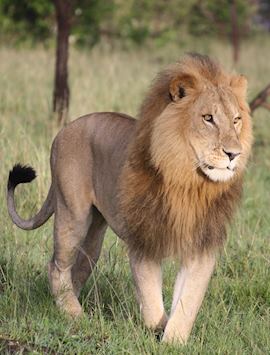
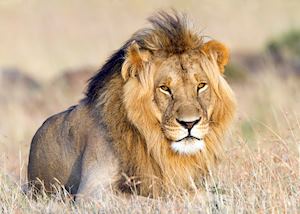 On your twice-daily game drives, your guide will try to find the animals you most want to see, whether it’s lion (the Masai Mara is home to the largest lion population in Kenya), species not found elsewhere in the country, such as topi and roan antelope, or birds such as kingfishers, hornbills, secretary birds and raptors.
During the Great Migration (usually between July and October), you can focus your game drives along the Mara River, where, as well as river crossings, you have a good chance of seeing predators picking off the weakest of the herds. It’s worth noting that the reserve gets very busy during these months and river crossings are near-impossible to predict, requiring huge amounts of patience.
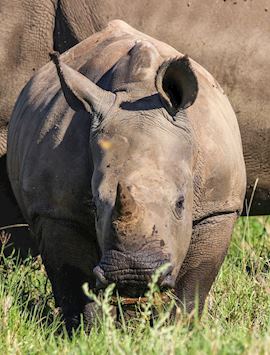
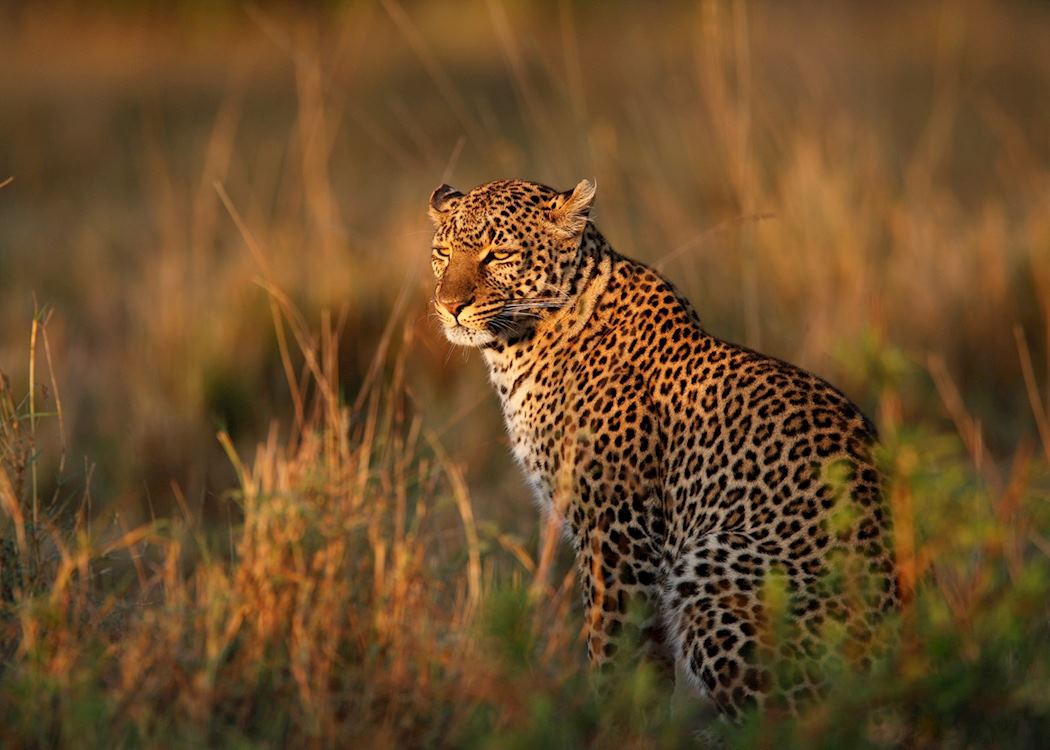
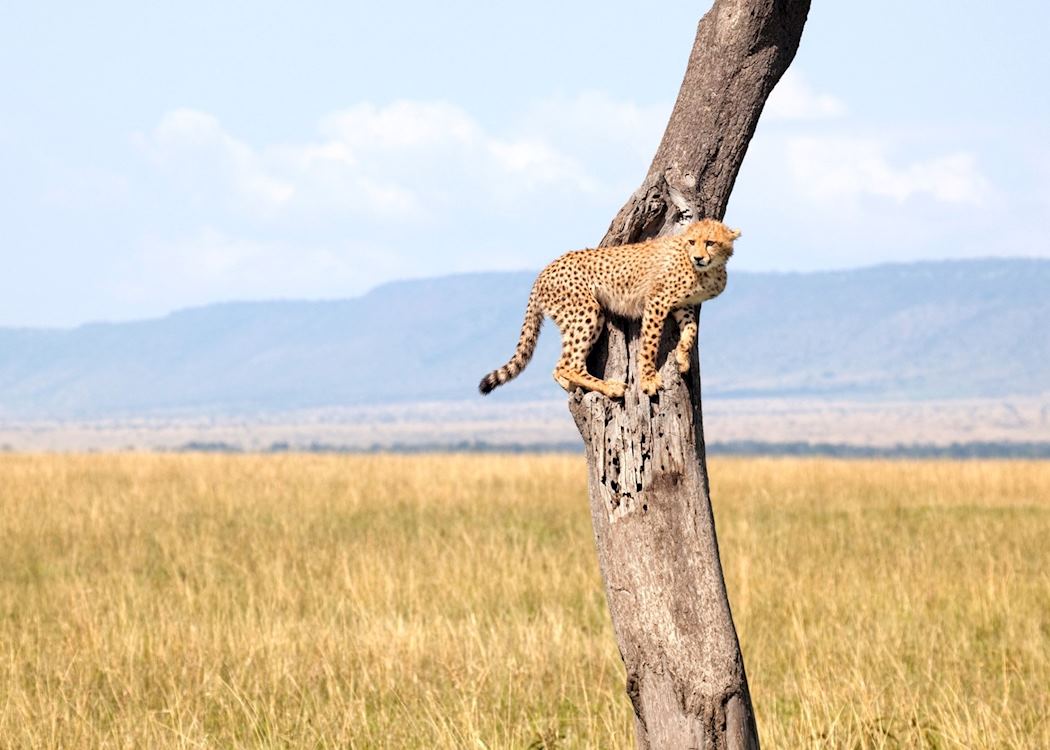
At any time of year, you still have a chance of seeing all of the Big Five, though leopard seem to be skilled at keeping a low profile. You can also stumble across cheetah, either solitary females (sometimes with cubs) or male coalitions peering over termite mounds.
Most vehicles in the park will focus on spotting these key species. But, sometimes, the best game drives are where you don’t have a set animal goal in mind and simply see what’s out there, sticking to quieter corners for a more laid-back, authentic experience.
Best time to visit Masai Mara National Reserve
The Masai Mara, while known for its Great Migration months of July to October, is abundant in all manner of wildlife year-round. You’re most likely to experience rain between March and May, but it shouldn’t impact on your safari experience and the reserve will have fewer visitors at this time.
who's been there

Start planning your tailor-made trip to Masai Mara National Reserve by contacting one of our Kenya specialists
-
01993 838 92501993 838 510
- Make an enquiry

Suggested itineraries featuring Masai Mara National Reserve
Our itineraries will give you suggestions for what is possible when you travel in Masai Mara National Reserve, and they showcase routes we know work particularly well. Treat them as inspiration, because your trip will be created uniquely by one of our specialists.
Places near Masai Mara National Reserve
- Mara North Conservancy 17 miles away
- Mara Naboisho Conservancy 26 miles away
- Loita Hills 63 miles away
- Lake Victoria 94 miles away
- Shompole Magadi 96 miles away
- Lakes of the Great Rift Valley 107 miles away
- Lake Naivasha 107 miles away
- Lake Nakuru 108 miles away
- Nairobi 130 miles away
- The Laikipia Plateau 163 miles away
- Ol Pejeta Conservancy 168 miles away
- Sosian Lodge 169 miles away
- Amboseli National Park 173 miles away
- Loisaba Wilderness Conservancy 196 miles away
- Ol Lentille Conservancy 201 miles away
- Il Ngwesi Group Ranch 204 miles away
- Lewa Wilderness Conservancy 207 miles away
- Borana Ranch 214 miles away
- The Chyulu Hills 215 miles away
- Karisia Hills 215 miles away
- Samburu National Reserve 227 miles away
- Matthews Mountain Range 243 miles away
- Meru National Park 247 miles away
- Shaba National Reserve 248 miles away
- Tsavo West National Park 250 miles away
- The Parks & Reserves of Northern Kenya 250 miles away
- The Parks & Reserves of Southern Kenya 279 miles away
- Tsavo East National Park 282 miles away
Photos of Masai Mara National Reserve
-
![Leopard in the Mara]() Leopard in the Mara
Leopard in the Mara -
![Cheetah in the Mara]() Cheetah in the Mara
Cheetah in the Mara -
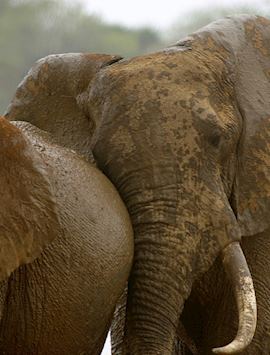
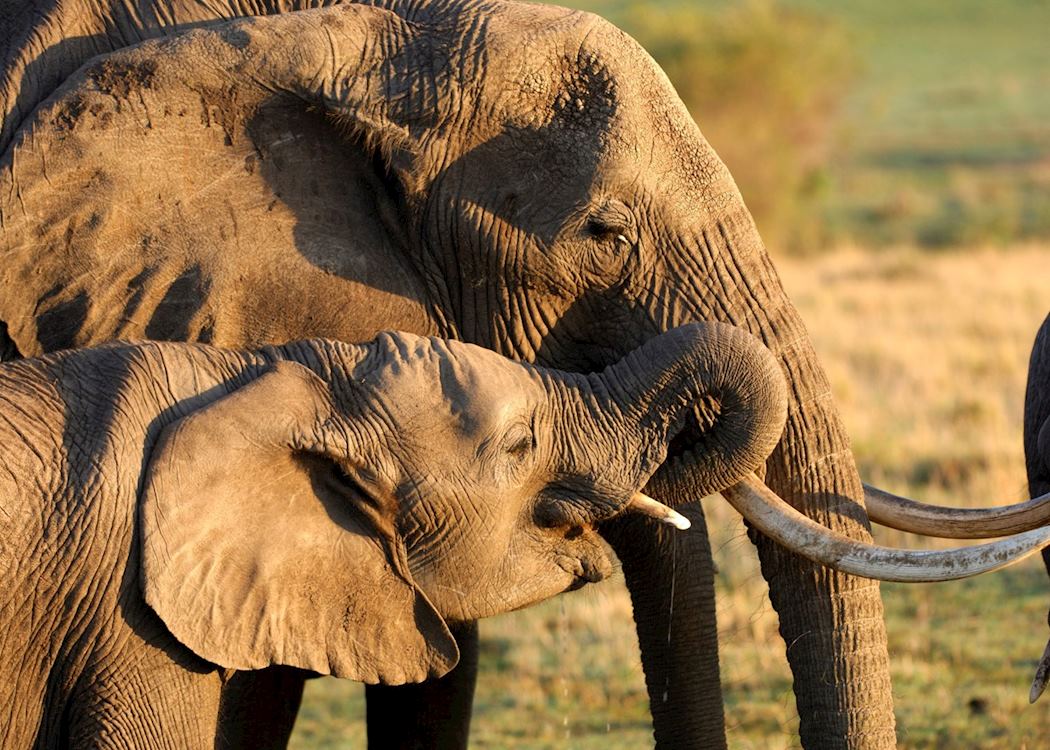
![Elephant in the Masai Mara]() Elephant in the Masai Mara
Elephant in the Masai Mara -
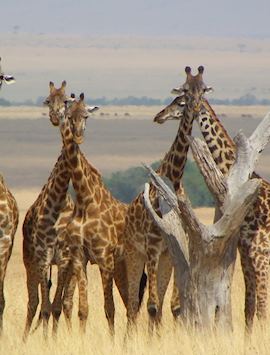
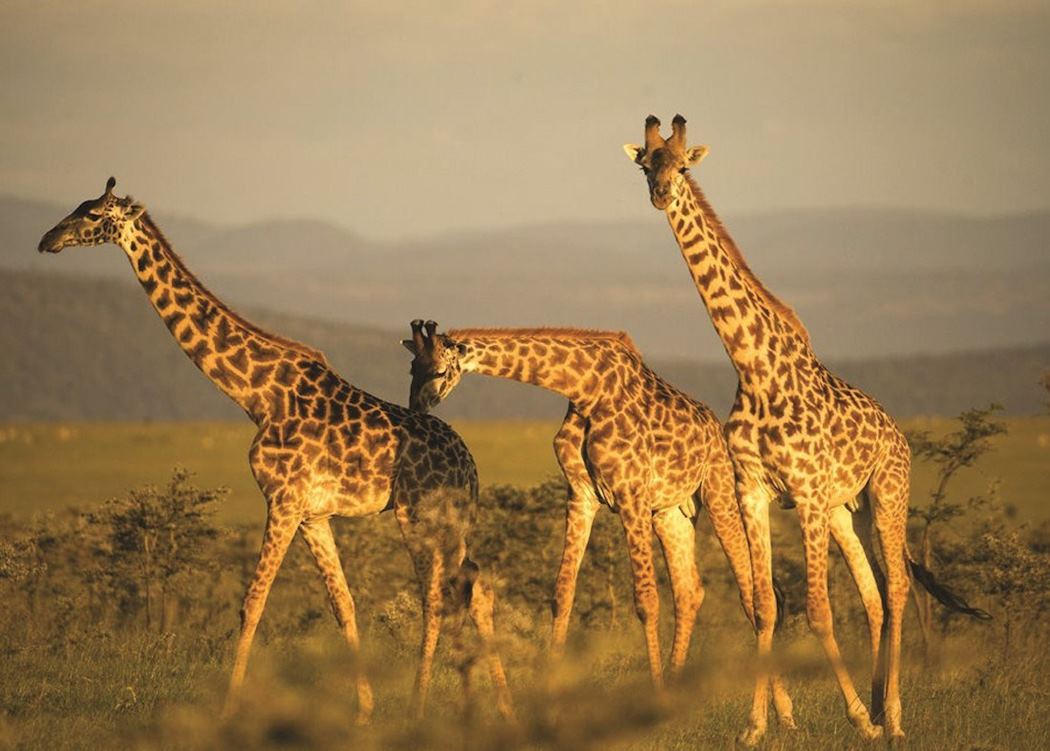
![Giraffes in the Masai Mara, Kenya]() Giraffes in the Masai Mara, Kenya
Giraffes in the Masai Mara, Kenya -
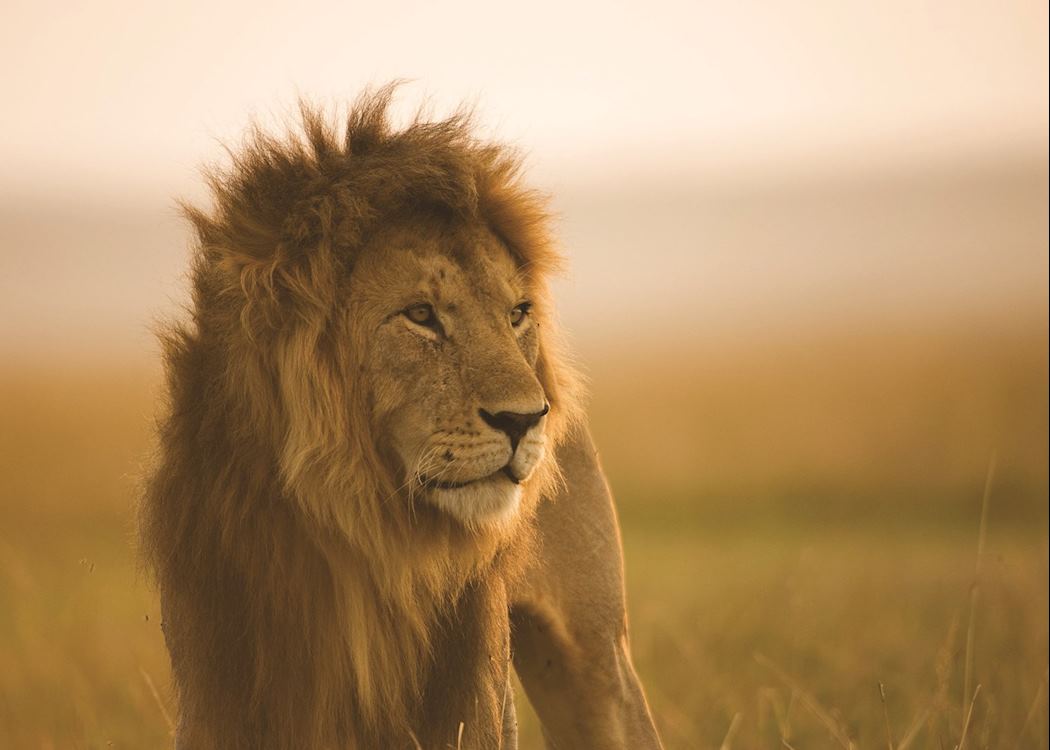
![Lion in the Masai Mara, Kenya]() Lion in the Masai Mara, Kenya
Lion in the Masai Mara, Kenya -
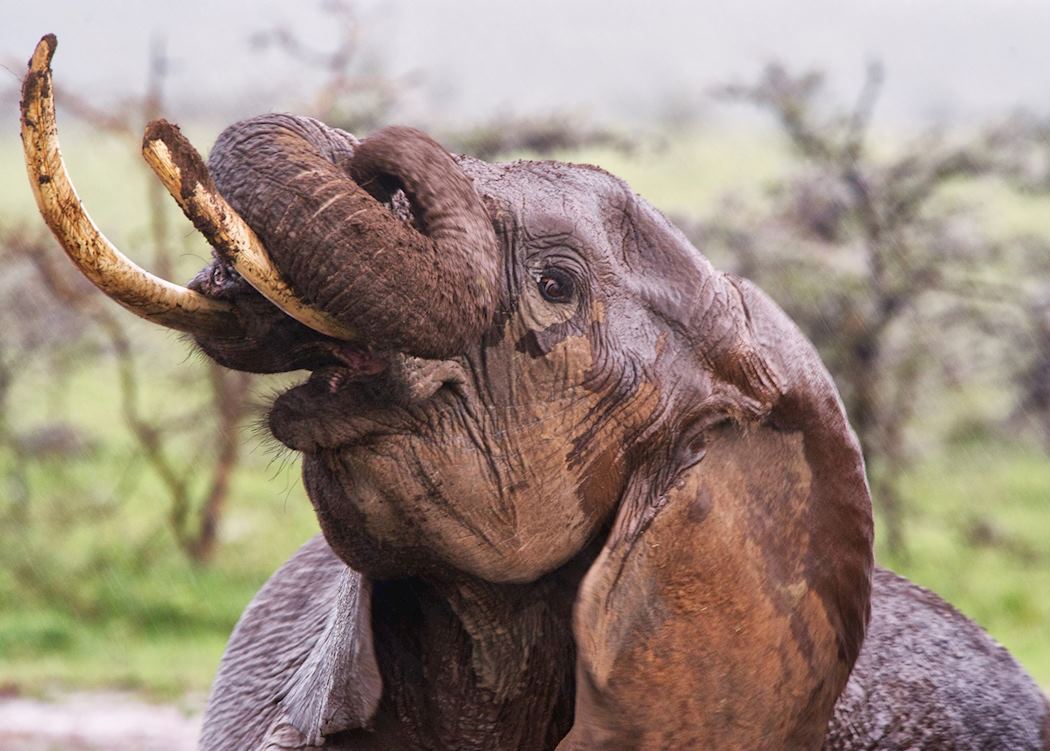
![Elephant taking a mud bath in the Mara]() Elephant taking a mud bath in the Mara
Elephant taking a mud bath in the Mara -
![Lion in the Masai Mara]() Lion in the Masai Mara
Lion in the Masai Mara -
![The Masai Mara]() The Masai Mara
The Masai Mara

Our expert guides to exploring Masai Mara National Reserve
Written by our specialists from their own experiences of visiting Masai Mara National Reserve, these guides will help you make the most of your time there. We share both our practical recommendations and the best ways to appreciate Masai Mara National Reserve at its best.
-
Kenya safaris: the Masai Mara and beyond ![Elephant in the Masai Mara]()
Kenya safaris: the Masai Mara and beyond
Kenya safaris: the Masai Mara and beyond
With its vast open plains scattered with wildebeest, antelope and acacia trees, Kenya is the classic image of a safari. You can safari in well-known areas like the Masai Mara and venture off-grid, as safari specialist Arista explains.
Read this guide -
The Big Five in Kenya ![Rhino mother and calf, Laikipia]()
The Big Five in Kenya
The Big Five in Kenya
Home of the Masai Mara and Lewa Wilderness Conservancy, you'll have countless opportunities to spot the Big Five in Kenya. With a range of first-class lodges, you can embark on traditional game drives and walking safaris in search of these magnificent animals.
Read this guide
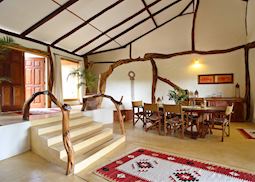
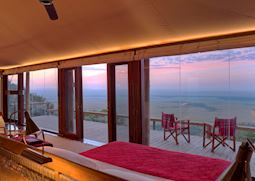
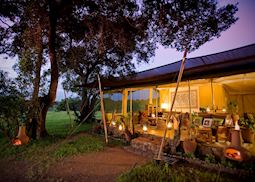
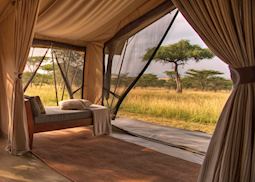
Accommodation choices for Masai Mara National Reserve
We’ve selected a range of accommodation options for when you visit Masai Mara National Reserve. Our choices usually come recommended for their character, facilities and service or location. Our specialists always aim to suggest properties that match your preferences.
-
![Kicheche Bush Camp, Masai Mara]()
Kicheche Bush Camp
Masai Mara National Reserve -
![Mara Bush House, Masai Mara]()
Acacia and Mara Bush Houses
Masai Mara National Reserve -
![Sunrise views]()
Angama Mara
Masai Mara National Reserve -
![Main Area, Kicheche Mara Camp, Masai Mara]()
Kicheche Mara Camp
Masai Mara National Reserve -
![Guest tent, Asilia Naboisho Camp, Masai Mara]()
Asilia Naboisho Camp
Masai Mara National Reserve -
![Mara Bush House, Masai Mara]()
Mara Bush Houses
Masai Mara National Reserve -
![Mess area at Speke's Camp]()
Speke's Camp
Masai Mara National Reserve -
![View from your tent, Kicheche Naboisho Camp, Masai Mara]()
Kicheche Naboisho Valley Camp
Masai Mara National Reserve -
![Ol Seki Hemingways Mara]()
Ol Seki Hemingways Camp
Masai Mara National Reserve -
![Naibor Camp, Masai Mara]()
Naibor Camp
Masai Mara National Reserve -
![Serian, Masai Mara]()
Serian Camp
Masai Mara National Reserve -
![Lounge area, Bateleur Camp]()
&Beyond Bateleur Camp
Masai Mara National Reserve -
![Dining at Governors Camp]()
Governors' Camp
Masai Mara National Reserve -
![Rekeros Jackson walking with guests, Rekero Tented Camp]()
Rekero Tented Camp
Masai Mara National Reserve -
![Offbeat Mara Camp, Masai Mara]()
Offbeat Mara Camp
Masai Mara National Reserve -
![Little Governors' Camp, Masai Mara]()
Little Governors' Camp
Masai Mara National Reserve -
![Tea on the terrace at Saruni]()
Saruni Mara
Masai Mara National Reserve -
![Elephant Pepper Camp Honeymoon suite, Masai Mara]()
Elephant Pepper Camp
Masai Mara National Reserve


Ideas for experiencing Masai Mara National Reserve
Our specialists seek out authentic ways to get to know the places that could feature in your trip. These activities reflect some of the experiences they've most enjoyed while visiting Masai Mara National Reserve, and which use the best local guides.
-
Hot Air Balloon Flight ![Hot Air Balloon over the Masai Mara]()
Hot Air Balloon Flight
Hot Air Balloon Flight
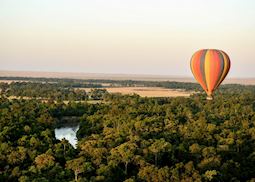
Watch out for the giraffe hiding in the trees, antelope on the plains and roosting birds. As the sun comes up the views are superb — one of the most beautiful sights in Africa.
View details