
Australia's landscapes are incredibly diverse. They include a wide variety of habitats for its wildlife, including tropical rainforests, deserts, rivers, mountain ranges and marine environments for you to explore.
Start planning your trip to Australia
Start thinking about your experience. These itineraries are simply suggestions for how you could enjoy some of the same experiences as our specialists. They’re just for inspiration, because your trip will be created around your particular tastes.
View All Tours in AustraliaTop 10 natural highlights of Australia
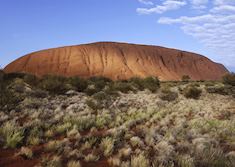
1. Uluru
Uluru/Ayers Rock is famous for its changing shades and as a spiritual site for the local Aboriginal people. Walk around the base track to get a feel of the rock's geology and the fauna and flora that survives in this arid environment. The powerful dreamtime stories of creation are strongly associated with this region and have been passed through generations of Aboriginals to make this one of the most intriguing natural wonders of Australia.

2. Kata Tjuta, Northern Territory
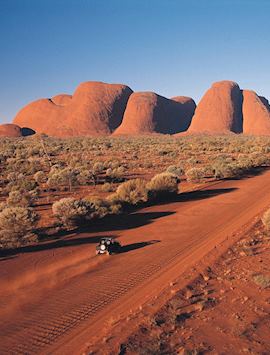
This group of weathered domes rise up from the flat desert not far from Uluru/Ayers Rock and make a haven for plants. Kata Tjuta/The Olgas were once just one rock, even more majestic than their more famous neighbour. Now, you can walk along trails between the rocks. We always recommend you explore the area with a local expert guide. Our guides will interpret the Dreamtime legends, in which these rocks feature, and tell you about the natural history of this remote and forbidding area.

3. Great Barrier Reef, Queensland
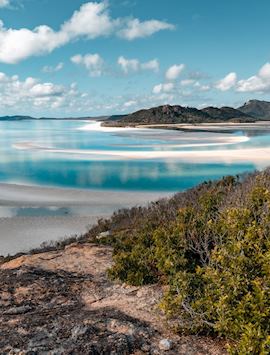
There are many ways to see the Great Barrier Reef, the world's largest coral reef system. You could stay on one of the reef's 20 islands that take visitors or visit a number of islands on a cruise or sailing boat. To see the marine life and coral below water, you have the choice of scuba diving, snorkelling or a glass-bottom boat trip. If you’d like a tour of the reef, we've found marine biologists make excellent guides.

4. Ningaloo Reef, Western Australia
Stretching over 200 miles (321 km), Ningaloo Reef is one of the world's longest fringing reefs. This extensive reef system is home to over 500 species of fish including the enormous whale shark, and 220 species of tropical coral. You can swim direct from the beach to the coral and the clear tropical waters make viewing the whale sharks, rays and other reef inhabitants easy.
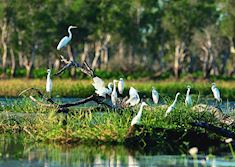
5. Kakadu National Park, Northern Territory
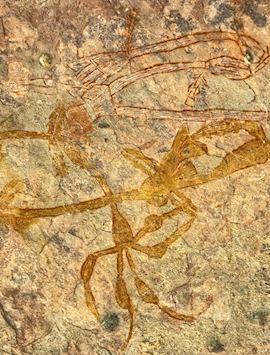
Kakadu National Park is a showcase for Australian wildlife, rainforest plants, Aboriginal rock art and the chance to watch thundering waterfalls plunging into dense forests. We'd recommend taking a cruise around its river systems and flood plains, known as Yellow Waters at sunrise or sunset. This will give you the best chance to spot its abundance of birdlife and crocodiles.
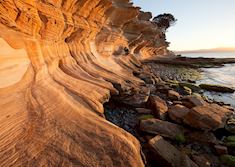
6. Maria Island, Tasmania
Maria Island is a haven for unique wildlife and walking. It can be visited as a day trip or on a guided three-day walk. White sand beaches lead you to dramatic headlands and dense eucalypt forests. Forester kangaroos bound alongside you as you walk, and you won't have to look too far to spot bandicoots, wombats, wallabies, penguins, pademelons and other wildlife that make the island their home.

7. Cradle Mountain, Tasmania
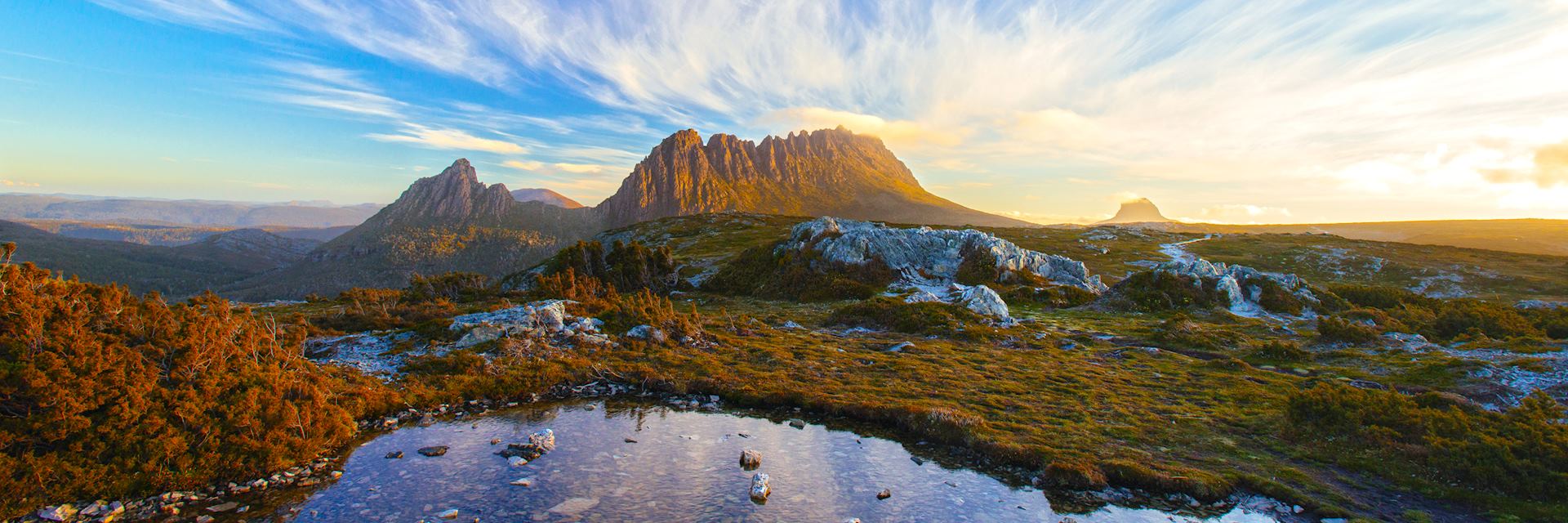
Cradle Mountain is a dominant feature at the northern end of the Cradle Mountain - Lake St Clair National Park. At its base the crystal clear water of Dove Lake creates a mirrored reflection, which is especially striking first thing in the morning. Take a stroll around Dove Lake or a summit walk to Cradle Mountain peak to take in the surrounding eucalypt forests, mountain peaks and gorges. We'd also recommend a visit to the Devils at Cradle sanctuary to get up close to a Tasmanian devil.
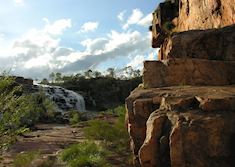
8. The Kimberley, Western Australia
Travelling along the remote Gibb River Road past cattle stations, ancient inland river gorges, caves containing some of the world's oldest Aboriginal rock art and the sandstone domes of the Bungle Bungles will give you an insight into the diversity of The Kimberley. It can be explored on land or from the sea, taking in the secluded beaches and river inlets. Whichever you choose, allow plenty of time to explore this vast region, which is three times the size of England.

9. Daintree Rainforest, Queensland
The oldest rainforest in the world, the Daintree Rainforest is home to a variety of plants and animals including the highest concentration of those that are rare or threatened with extinction. Take a day trip from the coast or choose a longer stay in a comfortable forest cabin to enjoy its forests, clear rivers, waterfalls and pristine beaches. We'd recommend Crocodile-spotting, especially at night, when the nocturnal creatures of the forest create their own unique soundtrack.

10. Lord Howe Island, New South Wales
Lord Howe Island rises out of the ocean and curves around an aquamarine lagoon. Two hours by air from Sydney this is the perfect place to combine an island and reef experience. It's one of only a handful of islands that have been awarded World Heritage status for its collection of rare flora, fauna and marine life. Three days or more here will give you the chance to relax and take in its forests, mountains and wildlife.
Plan your trip
Tell us about your plans and one of our specialists will plan a unique trip for you...
Make an enquiryRequest our brochure, The World Your Way

Order your digital copy via email.
Request a brochure