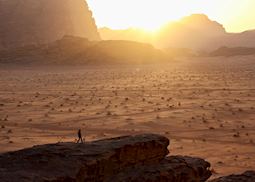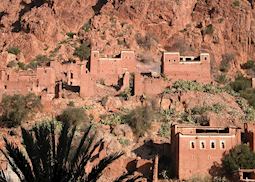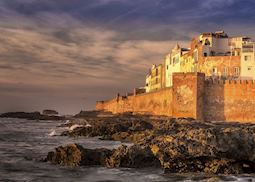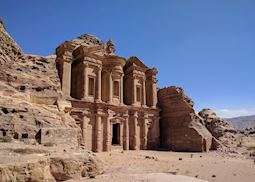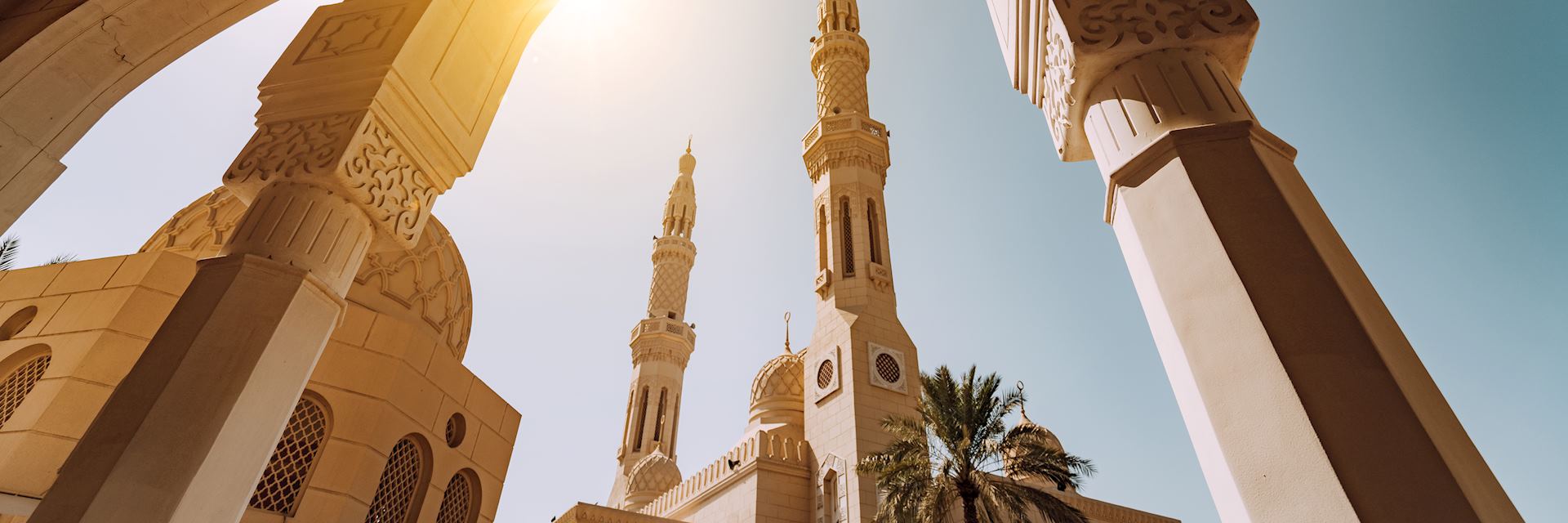
A storied land that can be both sere and fertile, the Middle East exists within a tangle of cultures, religions and empires, both ancient and modern. Here, you’ll find cities from myth that still hum with life as well as people who live in the world’s most extreme climates. We can help you explore temples and colossal monuments that date back millennia, ancient holy sites from many religions and landscapes of otherworldly beauty. Our specialists return regularly to this antique land and can work with you to plan a holiday to the Middle East that takes in the region’s marvels.
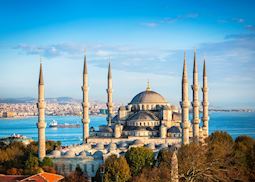
Delve into the hospitable soul of the region and uncover new perspectives on places like Jerusalem’s Western Wall, Istanbul’s Blue Mosque, Petra’s hidden city and Egypt’s Pyramids of Giza. You could find yourself slipping into a Bedouin tent to share mint tea in Jordan, entering a medieval caravanserai to see Whirling Dervishes in Turkey or watching the sunrise from an Omani dune.
Speak to someone
who's been there
who's been there

Start planning your tailor-made trip by contacting one of our Middle East specialists
-
01993 838 92501993 838 400
- Make an enquiry
Trip ideas in the Middle East
These itineraries will give you a starting point for what your trip could entail. They cover routes that we've found work particularly well and feature some of our favourite places to stay. Treat them just as inspiration, as each trip is created uniquely for you and there are many more options available.
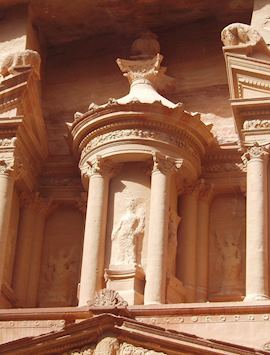
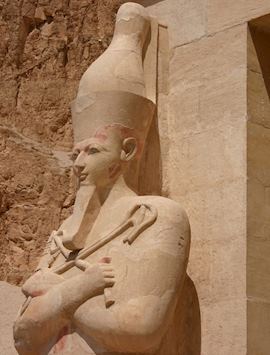
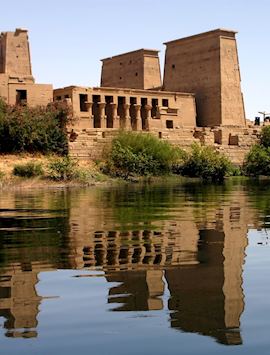
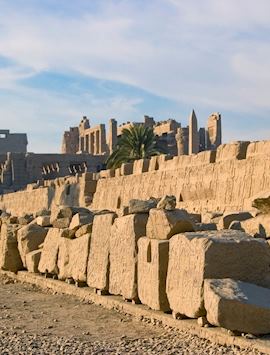
Our expert guides to exploring the Middle East
Capturing our specialists’ extensive travel experience in the Middle East, these guides share inspiration, recommendations and our honest advice for how to enjoy the best of what the region can offer in the most authentic ways. From the wealth of options we describe, you can narrow down the choices and start to shape your own trip.
-
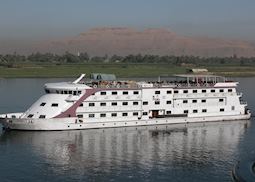
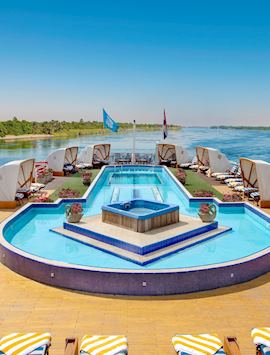
Nile cruises: the route to ancient Egypt ![MS Pyramisa Nile Cruise, Aswan]()
Nile cruises: the route to ancient Egypt
Nile cruises: the route to ancient Egypt
A Nile cruise is the classic way of exploring Egypt. Drift down the Nile in a comfortable cruise boat, making stops to visit Ancient Egyptian temples and tombs. Egypt specialist Steve outlines how you can make the most of your cruise.
Read this guide -
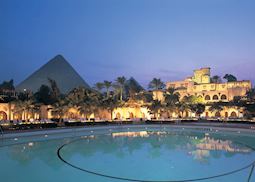
Luxury Egypt: live like a pharaoh ![The Palace Wing and Pyramids, The Marriott Mena House Oberoi, Giza]()
Luxury Egypt: live like a pharaoh
Luxury Egypt: live like a pharaoh
A room at the foot of the Great Pyramid, an opulent ship on the Nile, and private guides — Egypt specialist Emma outlines the most indulgent ways to enjoy the country’s classic sights.
Read this guide -
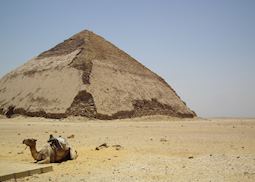
What to do in Egypt: our highlights guide ![Dahshur Pyramid, Egypt]()
What to do in Egypt: our highlights guide
What to do in Egypt: our highlights guide
Home to some of the world's most historical monuments and best dive sites, Egypt's size makes it possible for the first-time visitor to see many of its highlights in a relatively short trip.
Read this guide -
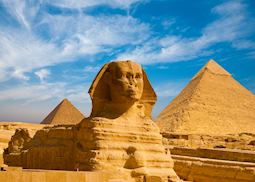
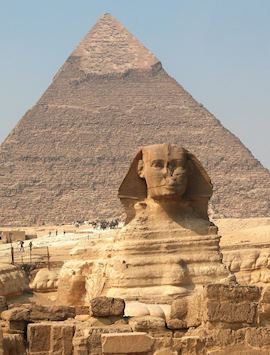
Family holidays in Egypt ![Giza pyramids and Sphinx, Cairo]()
Family holidays in Egypt
Family holidays in Egypt
From the sun-baked pyramids of Giza to the imposing Temple of Karnak, Egypt’s ancient monuments hold a special allure for people of all ages. Here, specialist Sharidan explains the best places to stay and things to do for a family visiting Egypt.
Read this guide -
Jordan and Egypt: Petra to Giza and Luxor ![A Bedouin man at Wadi Rum]()
Jordan and Egypt: Petra to Giza and Luxor
Jordan and Egypt: Petra to Giza and Luxor
In the sun-baked desert of Egypt and a hidden wadi in Jordan, ancient empires built enormous stone edifices that still stand thousands of years later. Middle East specialist Albert discusses the best way to see both countries on one trip.
Read this guide -
Family holidays in Morocco ![Berber village in Ameln Valley, The Anti Atlas, Morocco]()
Family holidays in Morocco
Family holidays in Morocco
A vibrant and diverse country, Morocco is a very family-friendly destination with plenty of hands-on experiences and quirky accommodation options for families. Morocco specialist Kerry explains how to get the most out of your time here.
Read this guide -
What to do in Morocco: our highlights guide ![Essaouira, Morocco]()
What to do in Morocco: our highlights guide
What to do in Morocco: our highlights guide
Morocco is a destination with fascinating local customs, a rich history and many geological wonders. Immerse yourself in the labyrinth of Medieval souqs, try the local cuisine, go walking in the beautiful High Atlas Mountains, or take a camel trip into the desert and sleep under the stars.
Read this guide -
Explore the mysteries of Petra ![The Monastery, Petra]()
Explore the mysteries of Petra
Explore the mysteries of Petra
A hidden city that’s carved into sandstone cliffs, Petra was one of the wonders of the ancient world. Jordan specialist Nick offers a guide to the history and important sites in this vast city.
Read this guide -
Travel into Oman's Empty Quarter ![Camel near Salalah]()
Travel into Oman's Empty Quarter
Travel into Oman's Empty Quarter
Adventure into the Empty Quarter in Oman. Journey across this vast desert region, surrounded by nothing but rolling sand dunes for as far as the eye can see and camp beneath a blanket of stars.
Read this guide