
Our Burma specialists are experienced and passionate about the country - between them they have spent many weeks a year researching new experiences and ensuring everything is of the highest standard. They know Burma inside out.
Practical Information
We have extensive knowledge of Burma as we have been operating there since our company was founded in 1995.
The changes during this time have been dramatic and there are now many more high quality character hotels and resorts to choose from, a more developed infrastructure and a better understanding of what visitors will enjoy.
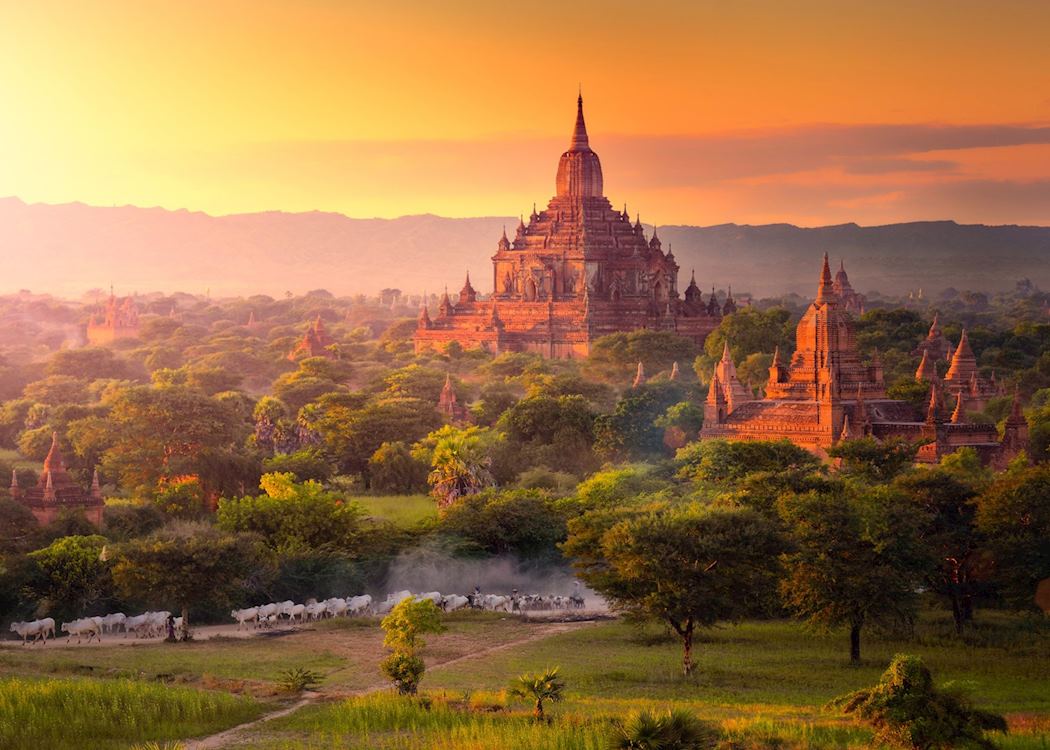
Bagan and Inle Lake are still 'must see' sights, but we are keen to share the delights of some of the lesser-known areas and we recognise that it is the daily interaction between the visitor and the Burmese that holds the greatest reward.
Getting around
Yangon (Rangoon) is usually your entry and exit point by air, although flights from Thailand into Mandalay are increasing in regularity.
There are also several hassle-free overland border crossings from Thailand and Southwest China which provide alternative options for the more adventurous.
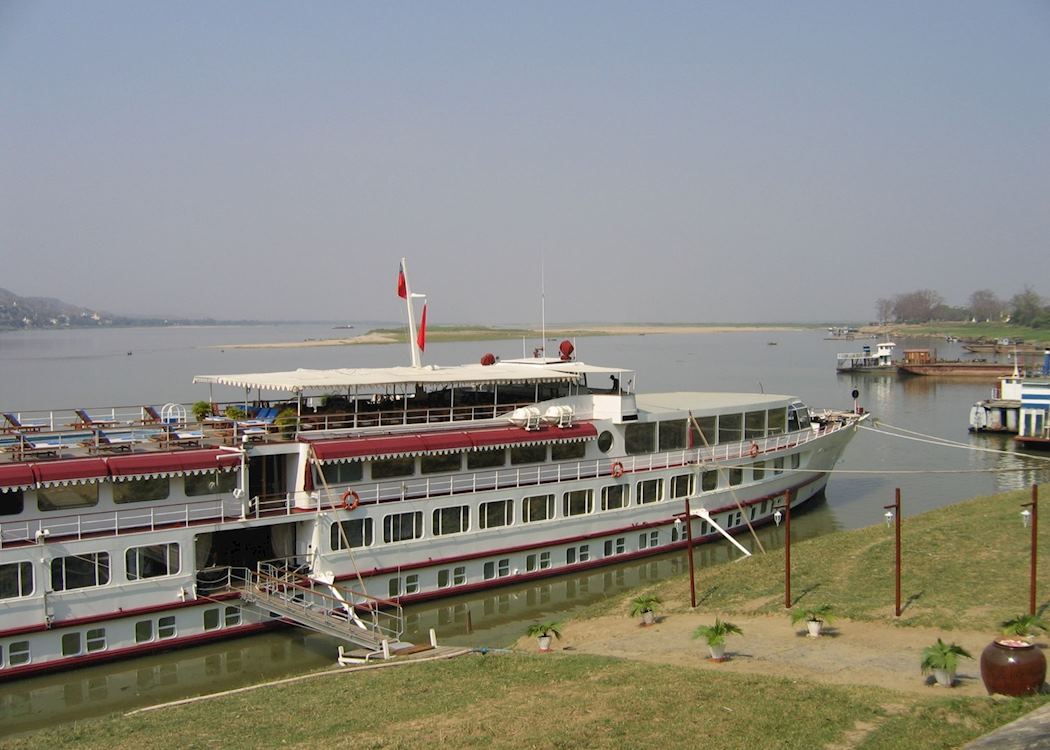
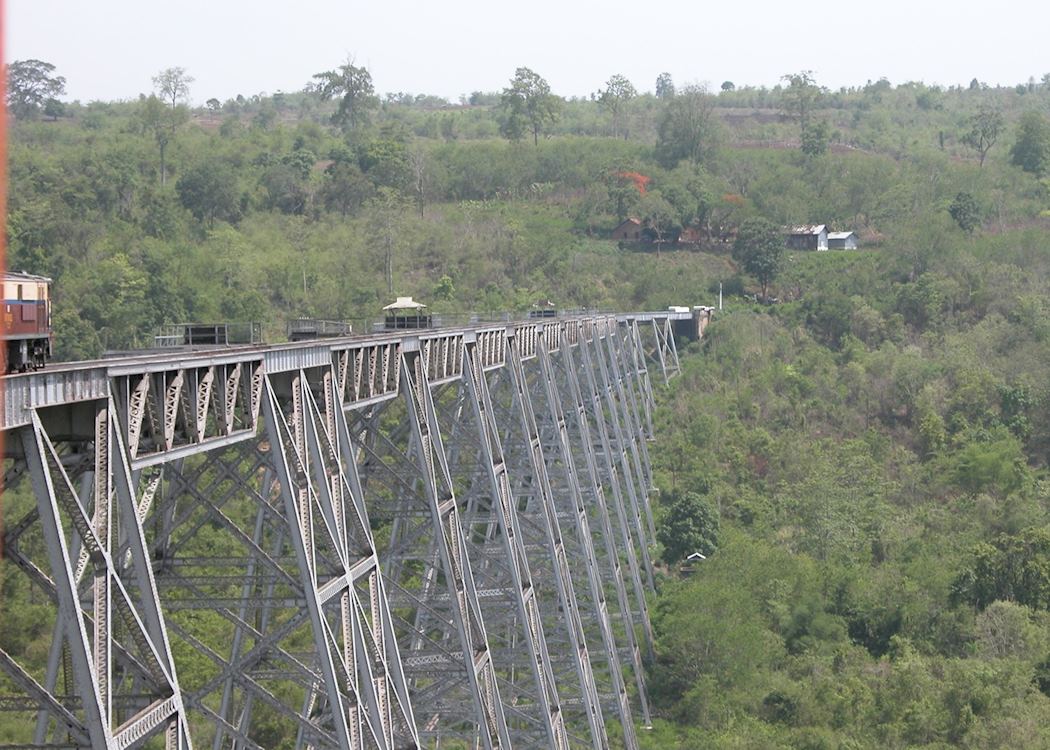
Burma is a deceptively large country and few roads are of good quality so flights are usually the quickest way to cover longer distances. Where flying is not an option we use private vehicles or river journeys. The train network is fairly extensive but is not comfortable and rarely convenient.
To go or not to go?
There have been some momentous political changes in Burma recently. The release of Aung San Suu Kyi and her subsequent landslide win of her seat in the April 2012 by-elections, has shifted the emphasis from ‘whether to travel to Burma’ to ‘how to travel to Burma’. Moreover, Aung San Suu Kyi and the main opposition party the National League for Democracy (NLD) now also encourage responsible tourism.
We have been offering travel to Burma for over 15 years now and in that time we have, as far as possible, only dealt with non-government hotels, airlines and companies when arranging travel, although we accept that this does not entirely prevent the government from earning some revenue from tourism. Our view is that it is not our role to interfere in people’s choice of destination and therefore it should remain a decision for our clients to make for themselves.
If you want to learn more then the founder of Audley, Craig Burkinshaw, explains at length our position on travel and tourism to Burma in our Audley Policy on Burma.
Language
The official language is Burmese, and there are over 100 distinct languages and dialects spoken in Burma. English is spoken in business circles.
Food and drink
The regional food is hot and spicy. Fish, rice, noodles and vegetables spiced with onions, ginger, garlic and chillies are the common local ingredients. Local dishes include Lethok Son (a spicy vegetarian rice salad), Mohingal (fish soup with rice) and Oh-no Khauk Swe (noodles, chicken and coconut in a spicy sauce). The avocados by Inle Lake are very good and Mandalay grows the best mangos!. Delicious fruits are available in the markets and food stalls appear on the corners of most large towns. Chinese and Indian cuisine is offered in many hotels and restaurants.
Tea is a popular drink and an integral part of Burmese life. On almost every street in some of the larger cities you will be able to find a tea shop. A simple, open-air affair of low tables and stools that spill out onto the pavement, tea here is served sweet and thick with condensed milk and an assortment of cakes. You pay for what you take from the tray on the table. Coffee is not common but is becoming increasingly popular. Beer, rum, whisky and gin are generally available.
Money and expenses
The local currency in Burma is Kyat, and outside of Yangon and the big hotels this is the preferred currency. US dollars are also accepted widely as currency. The exchange rate varies widely between different places. The official exchange rate is 1 USD-6 kyat, but you will never come across this. It is much more likely to be between 700 kyat and 950 kyat to the dollar, depending on where you are. The Kyat is a very fluid currency, so it is better to keep your money in dollars and change it into Kyat as and when you need to. Do not change money at the airport as the exchange rate is terrible.
Credit cards are not widely accepted. You may find that some hotels in your itinerary will accept payment by card but it is not a reliable service and can be withdrawn at any time. Most hotels will add a hefty surcharge of between 4-7% if paying by credit card. Furthermore, there are no ATM machines in Burma. Euros are starting to be accepted in some of the bigger more international style hotels. Traveller's cheques are also not widely accepted, so it is best to take all the money you will need in US dollars cash.
Social conventions and etiquette
The people of Burma are very conservative in their dress and behaviour and you should pay special attention to respecting their Buddhist traditions wherever you go, but particularly in temples and monasteries. Shorts and sleeveless shirts are frowned upon and in fact, are not allowed in shrines, temples and monasteries. Short skirts are also not recommended. You must also remove your shoes before entering such sites and it is wrong to point your feet towards a Buddha image. It is a common courtesy in Burma to use both hands when handing something to somebody else.
Under The Skin
Read
'The Glass Palace' by Amitav Ghosh is set in Burma during the British invasion of 1885 and tells the story of Rajkumar, a poor boy lifted on the tides of political and social chaos who goes on to create an empire in the Burmese teak forest. The descriptions of pre colonial Mandalay and the royal court in particular make this book essential reading for those who wish to get an idea of the romanticism which surrounds early 20th-century Burma.
Listen
Burmese music is completely different from western music, relying heavily on melody, ornamentation and rhythm. Notes are occasionally played simultaneously, but harmony in the western sense is not used. The Burmese classical/theatrical orchestra can be divided into two kinds of instrument, depending upon whether they have fixed or variable notes. A 1997 CD entitled 'White Elephants and Golden Ducks' offers a good taste of traditional Burmese music and is available to buy through the Shanachie label.
Watch
John Boorman's 1995 film 'Beyond Rangoon' is a dramatisation of the brutal suppression of the 1988 pro-democracy uprising. Although it takes some liberties with the fundamental politics behind the military regime, the film is still a very good dramatisation of life in Burma during the uprising.
Eat
Cuisine in Burma is a cross between Chinese and Indian, and a typical family meal consists of liberal servings of rice, usually eaten with a curry that will be slightly different from the Indian variety, involving fewer spices and more garlic and ginger. Burmese people enjoy rice as their main food and it comprises about 75% of the diet. Rice is served with meat or fish, soup, salad and vegetables all cooked in their own ways, and some relishes to complement the meal. During meals, all the dishes are laid out on the dining table and served together so that diners can make their own choices and combinations.
Drink
There is a good range of drinks available in Burma. Local beer brands include Mayanmar, Dagon, Skol and Mandalay Beer, all of which are available at numerous 'Beer Stations' and very cheap. Burmese tea served with lots of milk and sugar and drunk in tea shops is also a staple part of Burmese Life. Burmese farmers particularly throughout central regions favour 'hatan ye' (palm juice), which is extracted from the toddy tree.
Word
Min-gala-ba (Hello), Jay Su (Thank you), Jay Su Ba (Thank you very much), Nay Kown La? (How Are You?), Kown dair (I'm fine).
Trademarks
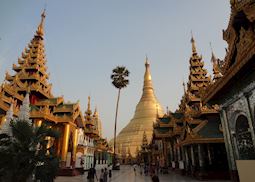
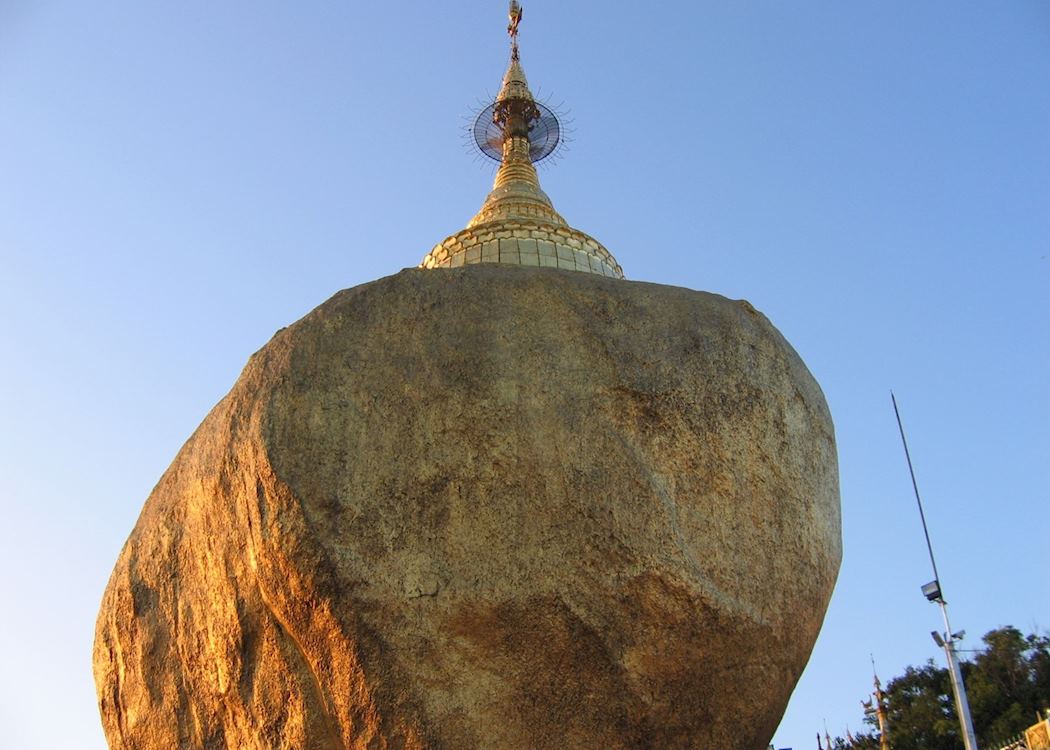
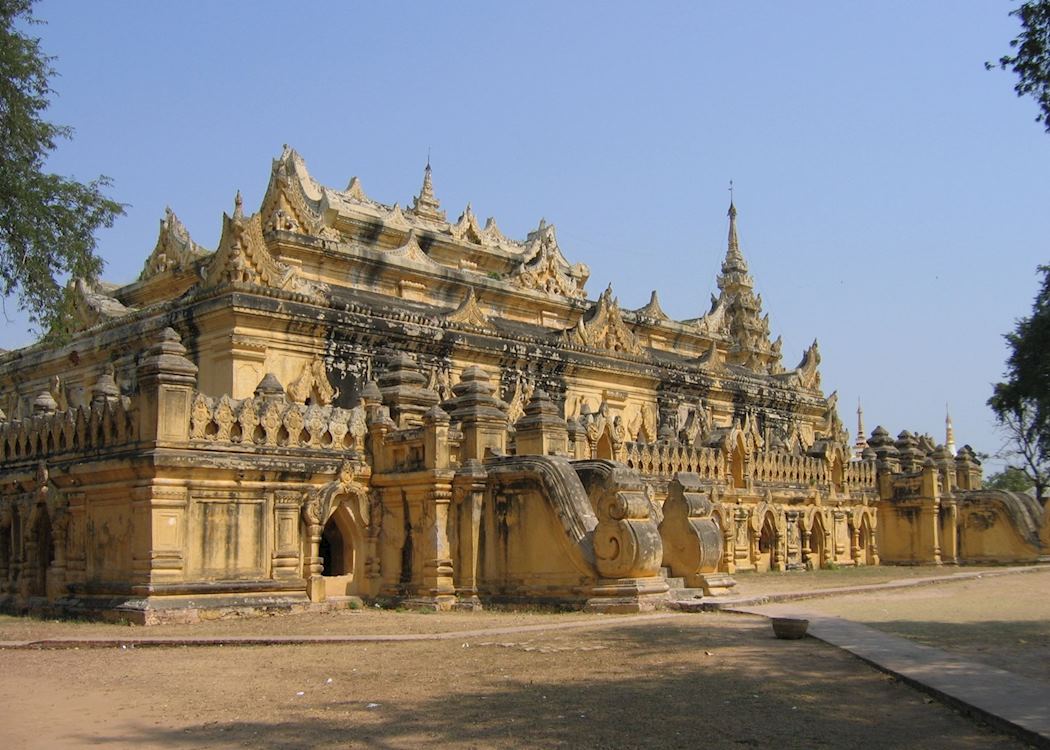
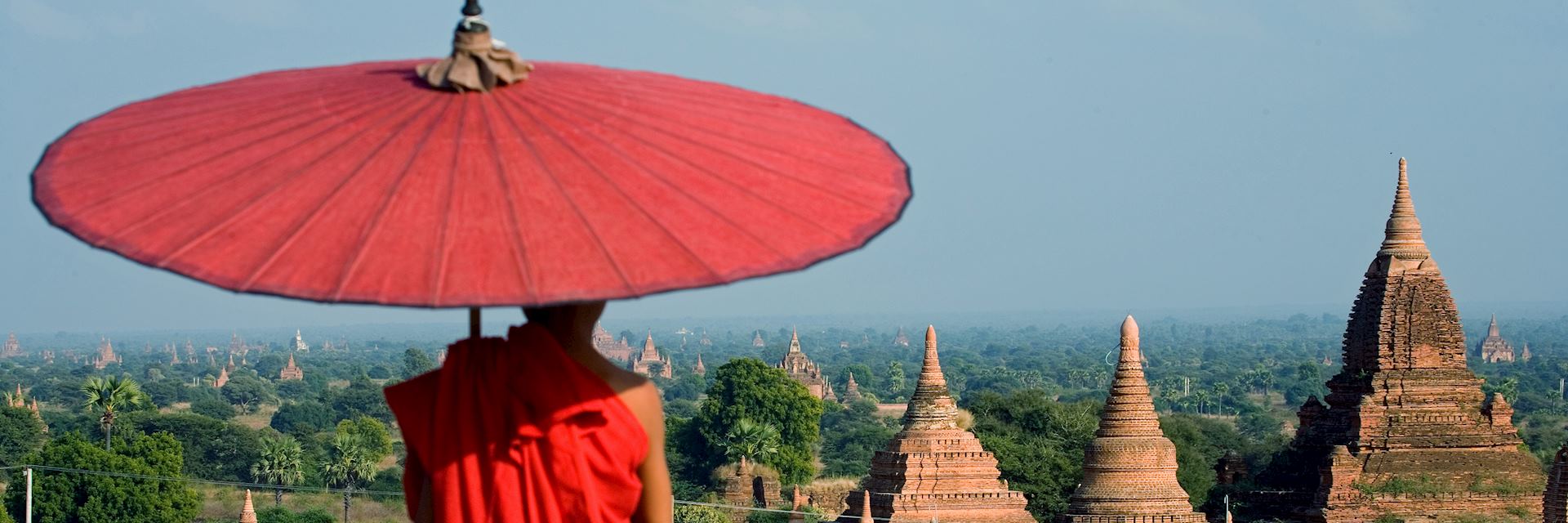
Golden Buddha imagery, red robed monks, The Golden Land, Road to Mandalay, spicy curries and noodle dishes, trekking to local villages, relaxing river cruises, beautiful unspoilt beaches, stilted villages, monasteries perched on top of mountains, one-leg rowing, ancient capitals and ruins.
Burma is a haven for handicrafts and it is possible to buy anything from handmade cheroots to painted pottery and jewellery. Don't forget, haggling is a vital part of the shopping experience!