
By South America specialist Hannah
Argentina and Brazil host some of South America’s greatest landmarks, as well as quintessential South American experiences. You might find yourself gazing up at the outstretched arms of Christ the Redeemer, soaking up the roar of the crowd at the acoustics-defying Maracanã Stadium, hearing the crunch of your crampons on the Perito Moreno Glacier, or feeling the wind rushing through your hair as you ride out with gauchos on the pampas.
I first visited and then lived in both countries back when I was teaching English years ago, and they’re the first places I gravitate back to whenever I have time off. I still find them intoxicating.
Why combine Argentina & Brazil?
Argentina and Brazil make a great duo for first-time visitors to South America. Why? Well, they’re conveniently joined at the hip by the world’s largest waterfall system, but each have their own distinct cultures and landscapes, from rainforest and beaches to the icy mountain ranges of Patagonia.
The main and easiest way to take in both countries in one go is to add time in Rio de Janeiro, Brazil’s flagship city, onto a trip to Argentina. You could also visit Iguazú Falls (spelled Iguaçu in Brazilian Portuguese) because this acts as a useful bridge between the two countries when it comes to flight connections.
I’ve outlined four distinct ideas below to spark inspiration for your own combined Argentina and Brazil trip.
1. Cities & cascades: two sides to Argentina & Brazil
This compact trip to Brazil and Argentina combines city breaks with a stay at Iguazú Falls and sees you spending nine days in total in both countries. It acts as a great foundation if you then want to add on time exploring other areas of the countries, like Brazil’s wildlife-rich Pantanal —the world's largest tropical wetland.
I like this itinerary because you can explore two completely different cities in a short space of time and get a feel for both of them, before immersing yourself in the forested surrounds of a bona fide natural wonder.
Buenos Aires is the kind of place you come back from saying you’ve hit your daily step count and then some. This is exactly how Argentina’s capital should be experienced. It’s not a place where you should feel obliged to dutifully wade through a highlights reel of art galleries and churches (though there are excellent ones I can recommend). Instead, you can simply set out for a wander from your hotel and absorb its locale, find a cafe, and then sit there with a coffee and take everything in.
And then, to really feel Buenos Aires’s pulse, you can head out on an evening milonga (tango dance hall) tour. Tango is the city’s lifeblood, but you’d never find tango halls like these on your own. Your guide will take you behind unshowy, easily-walked-past doors in the city’s residential districts to three very different dance halls.
Which ones you visit will depend on the day, but each will have a distinct style. The first one I visited wasn’t what you might associate with the sultry, sinuous dance that is tango — in fact, I found myself in a light and airy community-hall-type space, packed with people who had been coming here for years. In the next one, the lighting was lower, with a younger demographic. I vividly remember there was one astonishing couple sweeping around the floor, and everyone would step back and watch their theatrics. Then, I ended my tour in another hall that had the most fantastic live tango band.
There’s no pressure to dance at any of the halls you visit, though you might be asked. Your guide stays with you the whole time, interpreting, and introduces you to some of the locals, who I’ve found to be really welcoming. You can have a drink and just enjoy the atmosphere.
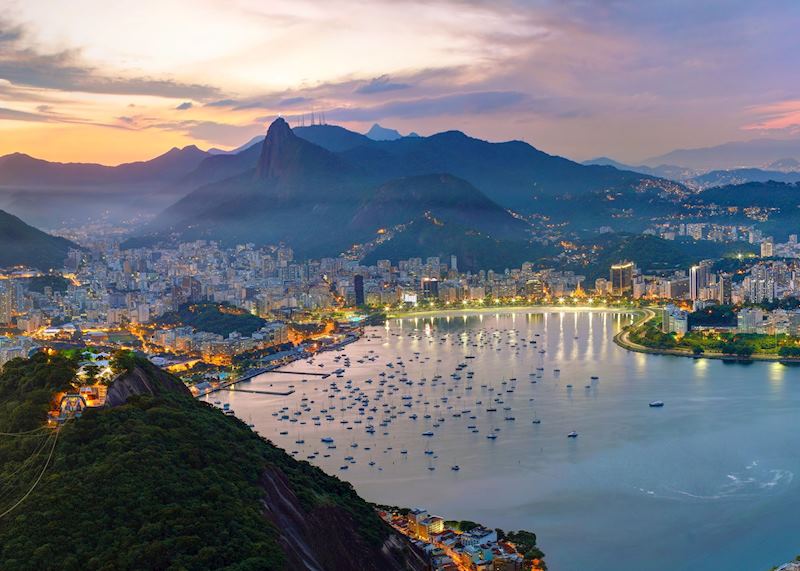
On the flip side, Rio de Janeiro has a much more relaxed, even languid feel to it. Yes, you can explore Sugar Loaf Mountain and stand at the feet of Christ the Redeemer, but it’s equally legitimate to soak up the city’s beach culture. You can even stay overlooking the wide Ipanema or Copacabana beaches, putting you at the heart of the action. Here you might see youngsters playing volley-foot (a soccer and volleyball hybrid), surfers riding the waves, locals working out in outdoor gym stations, or out-and-out, unashamed posers… well posing.
And then, you could leave the beachside hubbub behind to take a quiet walk among the lush birds-of-paradise and other flora of Tijuca National Park. Straddling one of the city’s peaks, this urban forest gives you great views over the city and is also a continuation of the subtropical forest that surrounds Iguaçu Falls, the third section of this trip.
If, on the other hand, you’d like to further embrace Rio’s more gregarious side, I can arrange for you to see a local derby football match at the huge donut ring that is the Maracanã Stadium, where the atmosphere is electrifying.
2. Natural wonders of Brazil & Argentina
Iguaçu Falls forms the finale to this trip idea, which focuses on Argentina’s standout scenery, but it could equally be the opening act. As well as being a spectacle, the falls are easy to slot into even the shortest of trips.
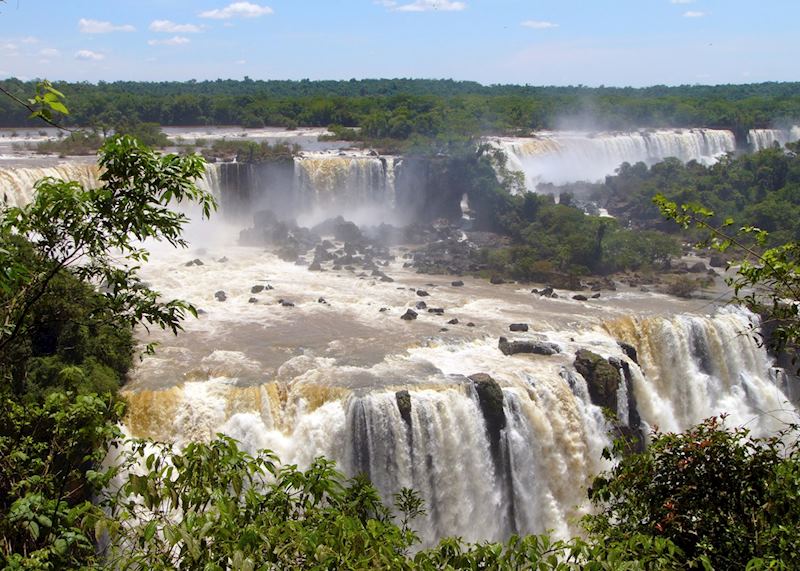
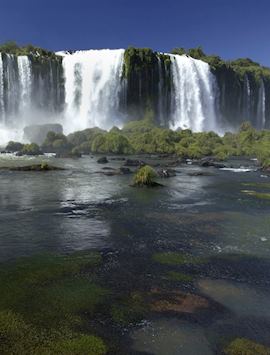
I’d recommend spending a day exploring the Argentinian side of the falls, which lets you hike all the winding forested trails and boardwalks and go right up to the immense frothing U-shaped section of falls known as the Garganta del Diablo (Devil’s Throat). The sheer power of the water pounding over the ledges here makes it the most impressive sight of the whole falls. Your guide might tell you how the local Guarani people allege that the serpent god M'boi, creator of the cascades, is in hiding there.
You can then visit the Brazilian side of the falls. One long trail here lets you take in the full panorama and scale of them, whereas the Argentinian side is more about getting up close and personal (and, if you take a boat trip, you’ll get a refreshing soaking, too).
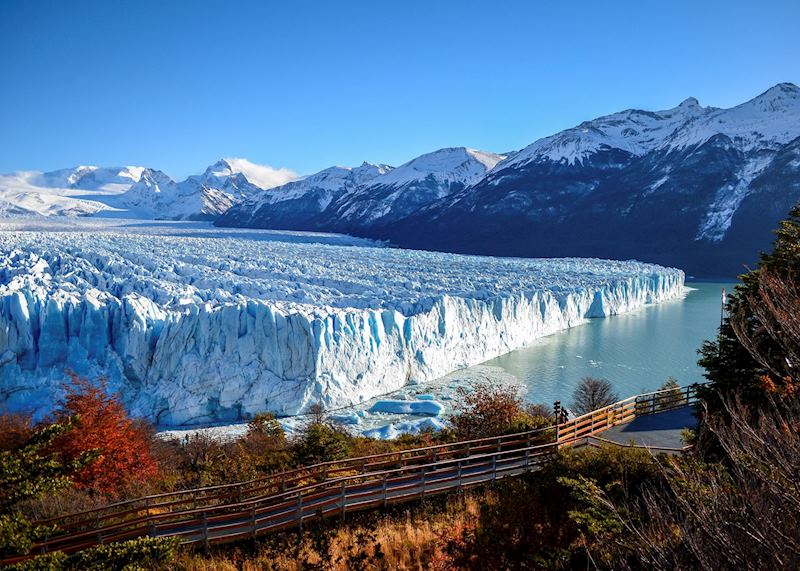
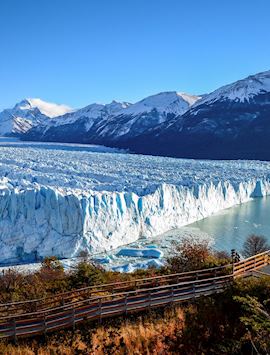
This trip is all about scenic extremes, so you’ll also have the chance to go ice-trekking on Argentina’s Perito Moreno Glacier (a direct flight from the capital). Alternatively you can take a boat trip, which approaches the glacier via the shore walks of Lago Argentino. Both options let you sidestep the coach-tripping crowds.
Seeing the glacier by boat lets you watch as ice calves off the glacial snout, crashing into the lake waters, while hiking on it gives you an even greater sense of its scale, allowing you admire the rhapsody of mint-blue shades found in ice caves and crevasses.
You can then travel from El Calafate (the gateway town to the glacier) to Estancia Cristina, a wilderness estate where you can go fishing, hiking, and ride out with modern-day gauchos. Or you could add on some days hiking around the mountaineering town of El Chaltén. There are numerous trails here, but a particularly satisfying one is Laguna de los Tres, which gives you views over bright turquoise lakes framed by the brooding bald rockfaces of the Fitz Roy Massif.
Then, the drama continues in Bariloche, the main entry point to Argentina’s Lake District. With roads looping around mirror-like bodies of water and towering, wooded peaks, this is a great place for driving because there are lots of miradores (viewpoints) easily marked. The Route of the Seven Lakes is a particularly rewarding drive. Oh and did I mention this region is also known for its chocolatiers?
At Bariloche, I suggest taking a tour to Mallmann's farm, where you’ll meet Chef Lucas, the nephew of feted Argentinian chef Francis Mallmann. The farm sits on a remote peninsula, and you’ll head there after taking in vistas like glacier-topped Mount Tronador. Lucas will then instruct you in the traditional art of roasting using a cast-iron plate, and you’ll try everything from lake-fresh trout to various meats — with glasses of wine, of course.
3. A deluxe tour of Argentina with Iguaçu Falls
This trip suggestion takes roughly the same routing as the trip above, but it ups the ante in terms of places to stay, filling your trip to Argentina with decadent touches.
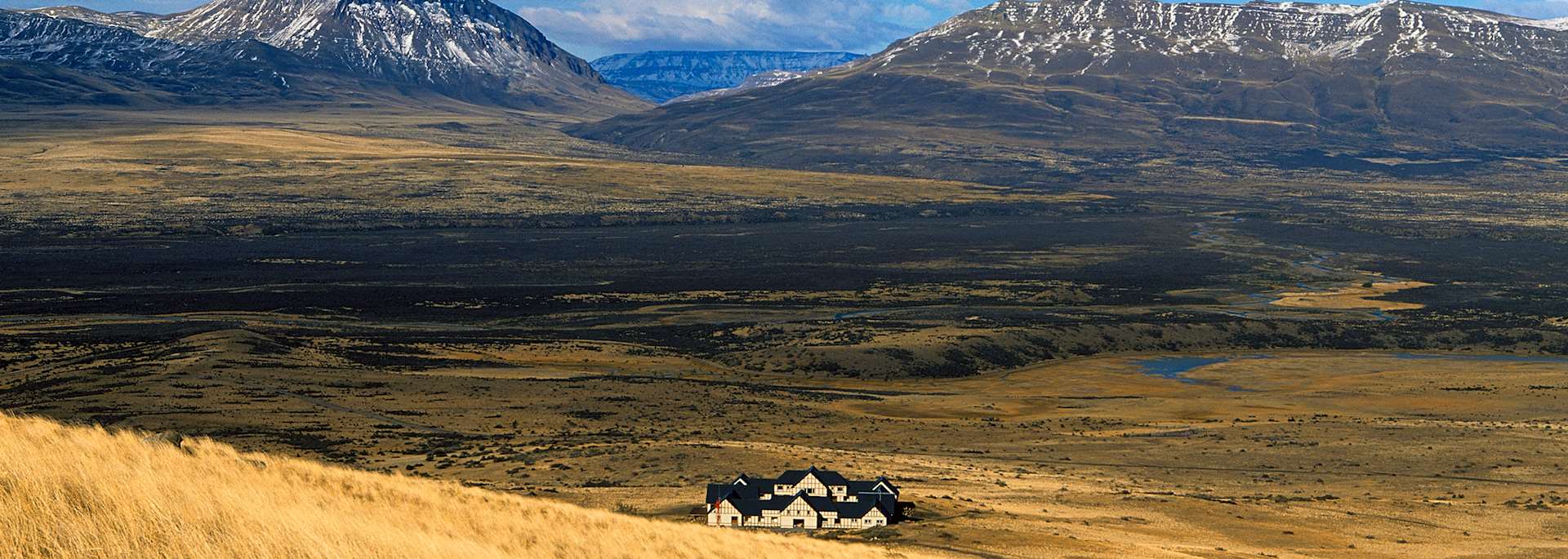
For a start, you’ll stay at EOLO, an estancia-style property with far-reaching views over Lago Argentino, grasslands, and mountains. There are so many appealing aspects to this understated, classy hotel, but some of them have to be its isolated position (leading to dark skies and a very visible Milky Way), its cuisine, and its array of privately guided activities, from horse riding to trekking on Cerro Frías. A particular delight are the gourmet lunch boxes you’re given to take with you on activities. Planning is essential, though, because EOLO fills up over a year in advance.
For a complete contrast, in Buenos Aires, you’ll stay amid the opulence of Palacio Duhau, a former palace. For me, though, the real treat of this trip is to stay at the stately Belmond Hotel das Cataratas on the Brazilian side of Iguaçu Falls. Being a guest here gives you after-hours access to the waterfalls, letting you see them after all the crowds have disappeared. I’ve even heard of people being able to view the cascades by moonlight and witnessing the phenomenon of a “moonbow” (lunar rainbow).

4. Food & drink highlights of Brazil & Argentina
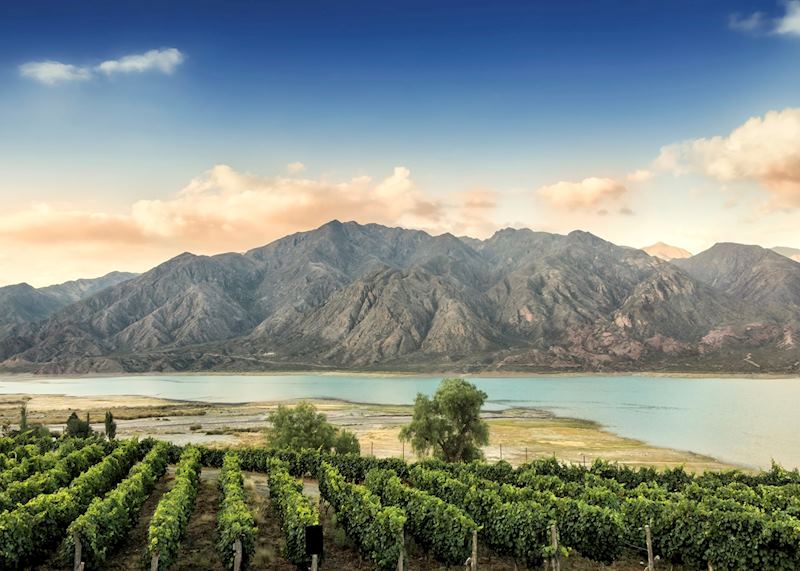
A culinary trip to both countries could include all sorts of experiences, including wine tasting and vineyard stays in Argentina’s Mendoza region and tours of cachaça distilleries in Paraty, a coastal town south of Rio, which makes a laid-back addition to a stay in Brazil’s most famous metropolis.
I could spend all day talking about how much I love the food and drink of both countries, but for sanity’s sake I’d like to home in on two experiences that you can easily enjoy during a combined trip.
The first is an empanada-making class in Buenos Aires. At just 90 minutes, it’s an intense but fun introduction to Argentina’s most versatile snack. Paula Comparatore, owner and chef of Buenos Aires’ institution El Federal, helps you prepare and correctly fold empanadas (there are vegetarian options if you’d like them).
Later, you could follow up your class with another Argentinian staple — the tradition of afternoon tea. Around 5pm, you’ll see cafes fill up with people dining on pastries, small sugary treats, and crustless sándwiches de miga. It’s not their evening meal, though — in Argentina, that typically comes much later, around 10pm or 11pm. And for breakfast? Many locals eat medialunas, a fluffy baked good that’s a cross between brioche and a croissant.
In Rio, you can embark on a food tour that lasts several hours, beginning mid-morning at a local market, where your guide will take you to their pick of the vendors, all of whom they know well.
Where exactly you go depends on the day of the week, but you’ll likely try produce like fruits, cheese, and local tapioca pancakes. One of the highlights here is acerola fruit, as well as proper açai from the Amazon — not the more sugary, commercial product. You’ll eat it layered over granola, and I can’t get enough of it. It does temporarily stain your teeth purple, though, so be warned if posing for photos.
The tour roams around the city, and you might hop into taxis with your guide to get to the places they rate. I enjoyed lunch in the Lapa district, known for its nightlife. We ate in an unassuming place I’d have probably written off at first glance, and then the festivities continued with all types of caipirinhas — one of the best ways to wrap up a day in Rio.
Best time to visit Argentina & Brazil
I’d plan your trip for between October and November, or for April, because Argentina and Brazil’s cities will be pleasantly warm, rather than baking hot. Iguazú Falls, on the other hand, can be visited year-round.
Trip ideas combining Argentina & Brazil

Start thinking about your experience. These itineraries are simply suggestions for how you could enjoy some of the same experiences as our specialists. They're just for inspiration, because your trip will be created around your particular tastes.
View All Tours in South AmericaFurther reading
- Combining Chile & Argentina: 4 multi-destination trip ideas
- Self-driving holidays in Chile & Argentina
- South America’s greatest railway journeys: Peru’s Andean Explorer & Ecuador’s Tren Crucero
- What to do in Patagonia: our highlights guide
- Machu Picchu plus one: tried-and-tested South American combinations
Plan your trip
Tell us about your plans and one of our specialists will plan a unique trip for you...
Make an enquiryRequest our brochure, The World Your Way

Order your digital copy via email.
Request a brochure