
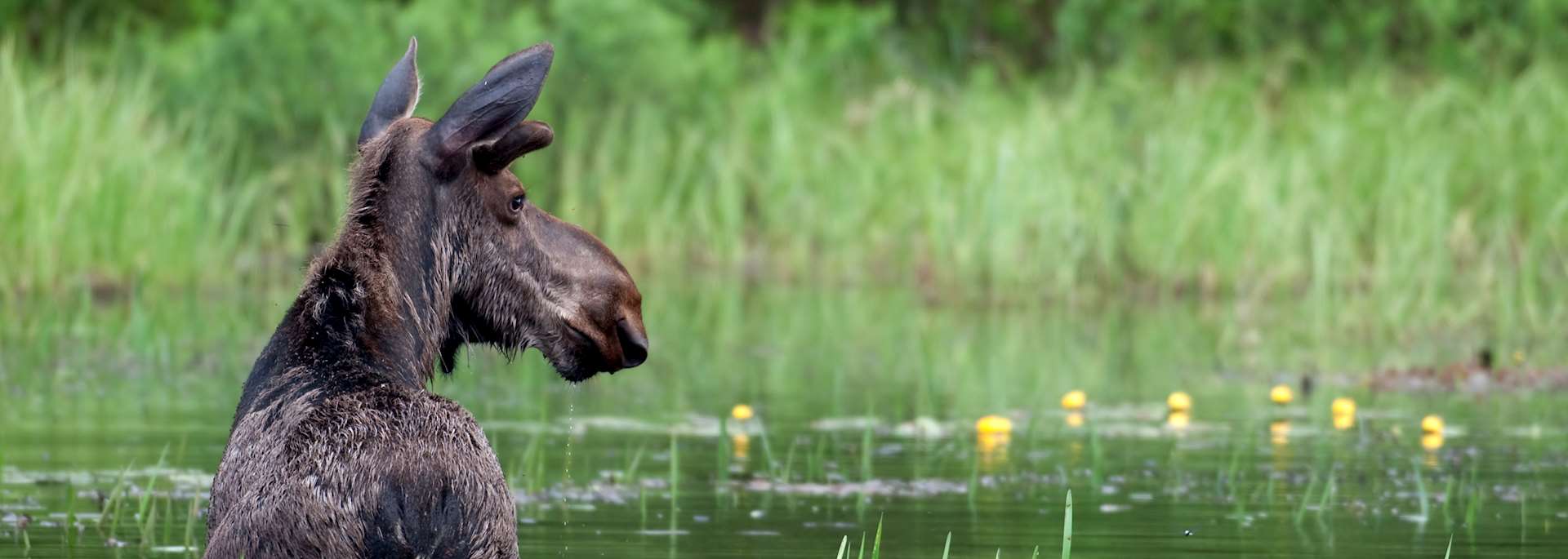
By Canada specialist Ed
Flicking through my travel plans before leaving for Ontario, I was amazed at the variety of experiences in store. In as little as a week, you can taste your way through Toronto’s multicultural cuisines, spot moose from your canoe in Algonquin Provincial Park, feel the spray of Niagara Falls, and witness the ghostly shipwrecks along the Bruce Peninsula’s sparkling blue coast.
Drive just a few hours out of Toronto and you can stroll through maple and fir forests, paddle along creeks, and observe bears, beavers, and wolves going about their day in their natural habitats. For me, that’s what a trip to Canada is all about.
1. Exploring the city of Toronto

The appeal of Toronto lies in its diversity. This eclectic, cosmopolitan city is a collision of different cultures, movements, and scenes. Every time I visit, I find something new to explore, whether it’s admiring a new street-art mural or sampling the latest food trend.
Most interests are catered for. Sports fans can catch a Toronto Blue train Jays baseball game in the summer or see the Toronto Maple Leafs take on their ice hockey rivals in winter. Art and culture enthusiasts can also peruse the Art Gallery of Ontario or the Royal Ontario Museum, whose collections cover everything from Chinese sculptures to dinosaur fossils. But I find the city caters to gastronomists best of all.
From flaky patties in Little Jamaica to spicy bulgogi in Koreatown, you can dine on almost every cuisine imaginable in the restaurants around Toronto’s patchwork of cultural districts. Or, for a more focused dining experience, you might take a tasting tour of bohemian Kensington Market, combining eight of the city’s most prominent food cultures in one.
Then there’s the look of the city — it packs a distinctive punch. Toronto’s skyscrapers rise up from the edge of Lake Ontario, a vast expanse of water that gives Canada’s largest metropolis a coastal feel. The CN Tower’s familiar outline dominates this skyline. I recommend heading to its restaurant and observation deck for panoramic views over the entire city and lake.
For the best views of the skyline, you can take a ferry over to the Toronto Islands just offshore. Here, cycle paths wind through green parkland and beaches provide peaceful picnic spots. It’s an area that’s particularly rewarding in the evening, and an excellent way to experience this (and learn more about the city) is to take a guided cycling tour at sunset.
2. Feeling the spray of Niagara Falls
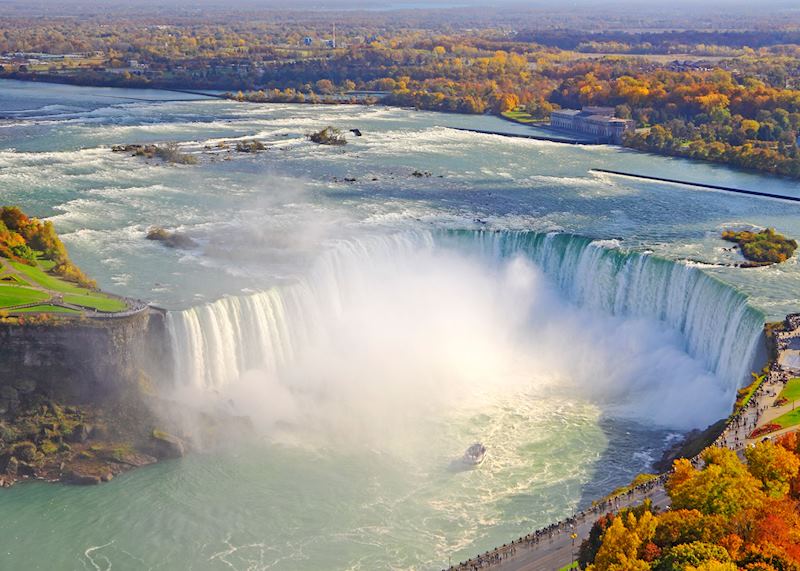
One of Canada’s most popular attractions can be visited directly from Toronto (around an hour and a half away by car). You can stop at a vineyard en route to sample the sweet ice wines the region is known for. Alternatively, stay overnight in the 19th-century town of Niagara-on-the-Lake — a shuttle regularly runs between here and the falls from spring to autumn.
Niagara Falls can be seen from various perspectives, including by boat, helicopter, or zip-line. But, for me, nothing beats cruising out to the foot of the Horseshoe Falls, the largest of the three waterfalls. Boats depart regularly throughout the day and into the evening, when the falls are illuminated in bright hues and fireworks are set off over the water.
Most recently, I cruised during the day, donning a red waterproof poncho to help shield me from the clouds of spray. The boat takes you past Bridal Veil Falls and the American Falls before reaching the main, crescent-shaped Horseshoe Falls, which thunder powerfully over the crest in a flurry of green, blue, and frothy white.
As the cruise progresses, the spray gets heavier. The roar of the water becomes louder until you can barely hear anything else. Then the boat slowly rotates so you can see the cascades from every angle. Children (and some adults) squeal in excitement as you’re completely surrounded by water on all sides — I couldn’t believe how exhilarating the experience was.
3. Canoeing by wildlife at Algonquin Provincial Park
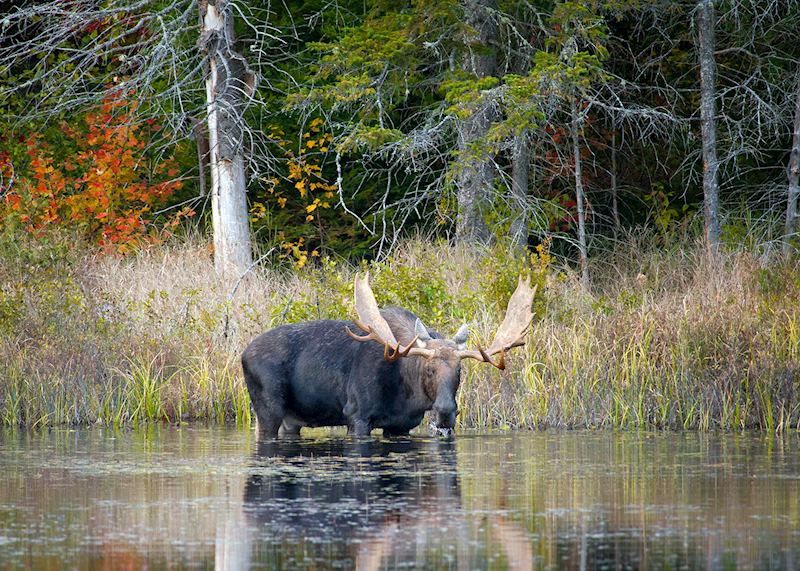
Just a three-hour drive north of Toronto, Algonquin couldn’t be more different. In this little-touched wilderness, fir trees surround glassy lakes, rivers wind their way through maple-covered hills, and wildflowers blanket meadows where white-tailed deer graze.
If you only do one thing while in the area, I suggest exploring the park’s waterways by canoe. As you paddle up creeks and streams, look for otters, beavers, and moose taking a dip. Birdlife is also plentiful — I once encountered a crane wading in search of a meal. And, if that isn’t enough, there’s other water-based activities for you to get stuck into, including kayaking, paddleboarding, and trout fishing.
A network of walking and cycling trails leads you through the park’s forest, where often the only sound is birdsong. You can also experience its wildlife on the move. While driving along Highway 60, crossing the south of the park, I saw a female moose grazing by the roadside.
During the evening, I like to curl up with a book on the porch at Bartlett Lodge, watching the world go by at Cache Lake and listening out for the distant sounds of wolves. If visiting on a Thursday in August, you can also join park rangers for a communal “wolf howl”, keeping your ears pricked for replies from nearby packs.
4. Tasting cranberry wine in Muskoka
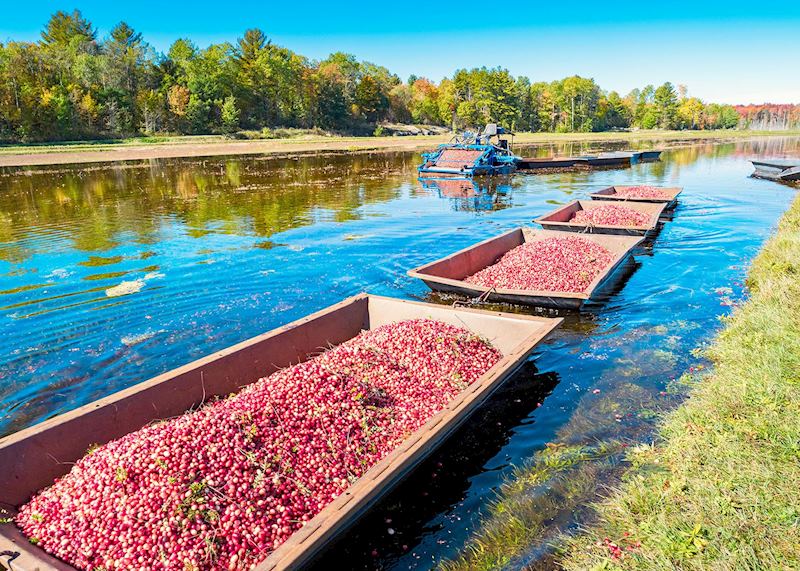
I’d never heard of cranberry wine until I visited Muskoka Lakes Farm & Winery. The property is located in the Muskoka area, halfway between Toronto and Algonquin and around half an hour from the town of Gravenhurst.
Surrounded by forests, lakes, and marshland, the farm is owned by Murray and Wendy Johnston, who work the land along with their four sons. To learn about cranberry farming and winemaking, you can join one of the thrice-daily tours.
On this hour-long experience, Wendy filled me in on the farm’s history. Established in 1950 by Murray’s father, Orville, it was Ontario’s second cranberry farm. Over the years it saw growth and declines, but since Murray and Wendy took over, it has expanded to become a key regional attraction. And you can still see the original farming equipment and old photographs of the family at work.
Wendy then showed me around the grounds and explained the conditions needed for growing cranberries. While many think the berries grow underwater, they’re in fact only flooded during harvesting to make for easier picking.
Afterwards, you can sample some of the products, which range from chutneys, cheeses, and cranberry maple sauce to white, red, rosé, and dessert wines. I was particularly fond of the “cransecco”, which delicately combines the effervescence of sparkling wine with the tanginess of Muskoka’s cranberries.
5. Interacting with wolves in Haliburton Forest
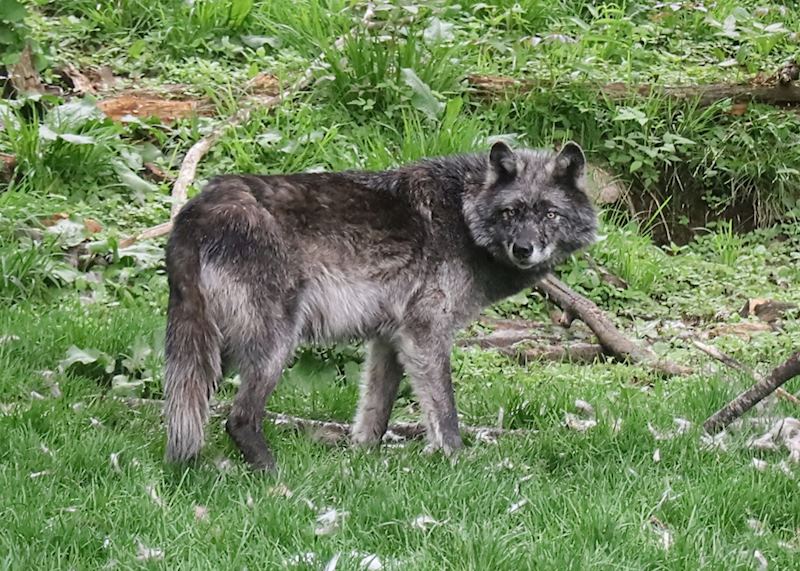
When I first stepped into the Haliburton Forest Wolf Centre, one of the workers told me that the wolves had been particularly elusive that morning, so I approached the lower observation floor with bated breath.
I was in luck. Two gangly adolescent Arctic wolves were roughhousing on the snow-blanketed ground beneath me, while a group of adults — impressively fluffy in their winter coats — rested languidly further ahead.
Haliburton Forest Wolf Centre was built to make experiences like this possible. At the two indoor observation areas, you can watch, through one-way glass, as the wolves go about their lives uninterrupted in a semi-wild environment. Meanwhile, elsewhere within the facility, there’s plenty of information on their ecology and environment, including a documentary, to keep you busy while they’re not around.
The wolves aren’t the only reason to visit Haliburton either. A three-hour drive north from Toronto, makes for an easy and scenic escape. With its dense temperate forests and numerous lakes, there’s plenty of opportunities for you to head out on one of the hiking trails or enjoy a spot of fishing, canoeing, or even canopy walking.
If you’re as entranced by the stars as I am, I highly recommend staying overnight — the heavens appear especially speckled in this region during clear skies.
6. Visiting the vineyards of Prince Edward County
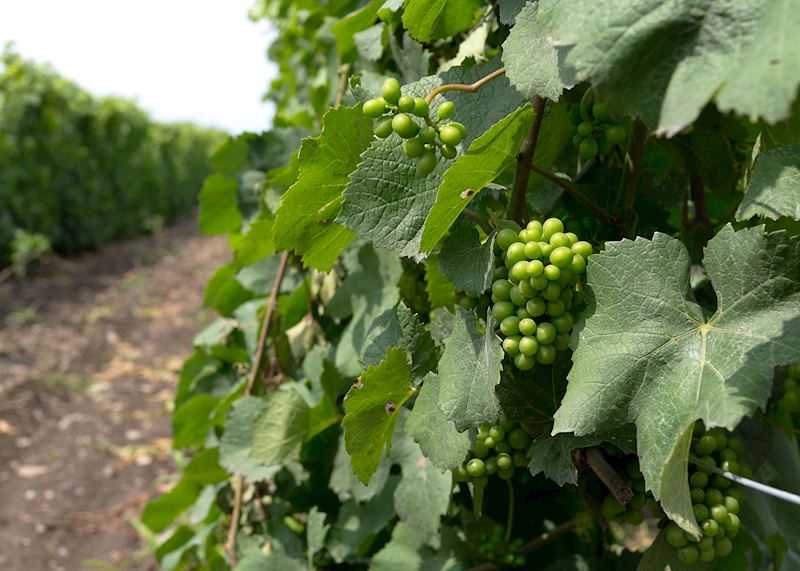
While the likes of Algonquin and Haliburton are visited for their vast and towering forests, Prince Edward County gives you a more bucolic experience of Ontario.
With a burgeoning culinary scene, the region has over 40 wineries dotting its rolling hills, largely growing and crafting pinot noir and chardonnay. You’ll find these vineyards are small and independent, with many of them offering guided tasting experiences. Of these, I’m particularly fond of the sustainability-minded Harwood Estate, where you’ll receive farm-to-table pairings as you’re taken through the vinification process. Meanwhile, cideries, breweries, distilleries, and artisan food producers are all close at hand if you want to venture beyond the wine trail.
On the northeastern shore of Lake Ontario, the county also makes an ideal setting for those who love to get out on the water. A popular spot for this is Sandbanks Provincial Park — and for good reason. In summer, the velvety soft sands and warm waters offer a tranquil setting for relaxation, while the massive shifting sand dunes provide an otherworldly, desert-like backdrop.
It’s worth lingering in Prince Edward County. To really immerse yourself in its ambience, there’s no better place to stay than The Eddie, a 19th-century farmhouse, complete with orchards, a pond, and a vast expanse of farmlands, close to the county’s main attractions.
7. White-water rafting on Ottawa River
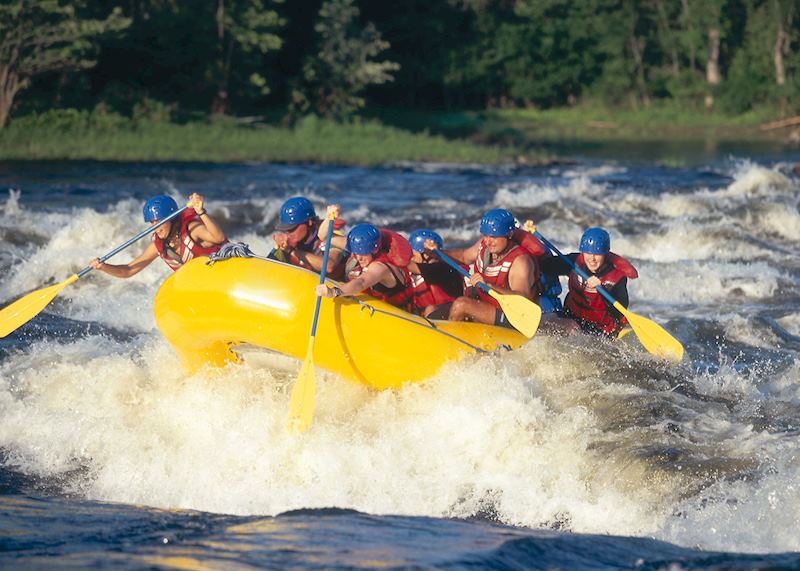
An hour’s drive west from Ottawa takes you to the Whitewater Region. It’s a tranquil place along the Ottawa River, with dense woodlands and marshy wetlands, punctured by small logging communities. But beneath this quiet façade, you’ll find an altogether different energy — the thrill of some of the most powerful whitewater rapids in Canada.
Though there’s plenty of spots to run rapids along this stretch of river, in my opinion, the ultimate whitewater adventures can be found in Foresters Falls. This picturesque hamlet’s strength lies in its variety, with rapids ranging from beginner-friendly riffles to more challenging torrents.
Most families choose to spend a day out on the rapids, finding their rhythm as a group. With an expert guide on hand, you’ll learn all the basic techniques and lingo — from “parking in eddies” to “bouncing through haystacks” — before setting out as a team to navigate the waves.
The experience can be as gentle (or, indeed, as intense) as you want it to be, with opportunities to rest in natural pools and a barbecue meal on a sturdy pontoon to cap off the day. I also suggest a stop at Whitewater Brewery for some comfort foods and local beers, like the aptly named Whistling Paddler.
8. Cruising high & low around the Thousand Islands
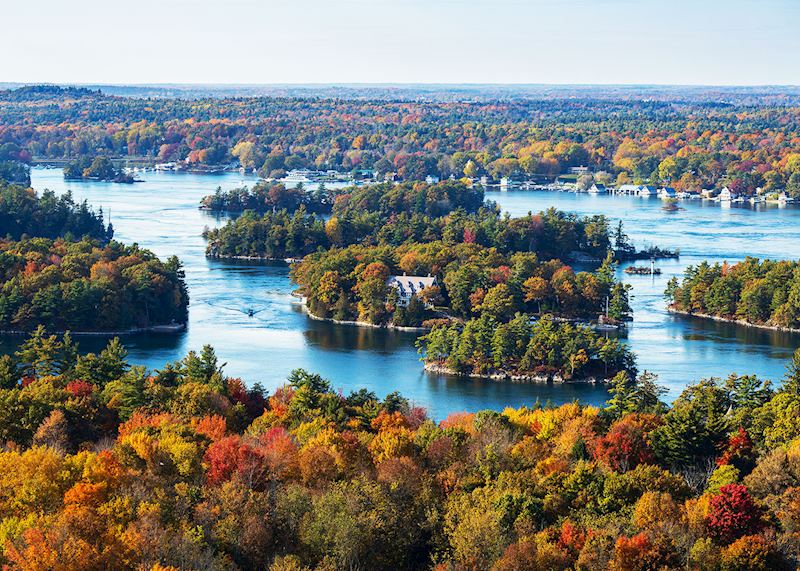
Tiny emerald isles, gothic-inspired castles, weather-beaten shipwrecks, and stretches of wispy golden sands… Once the summer playground of North America’s east-coast elite, the Thousand Islands region still exudes an air of unpretentious grandeur. Just don’t be fooled by the name — there’s over 1,800 islands here, ranging from car-sized crags to an area twice the size of Manhattan.
Stretching for over 80 km (50 miles) along the Saint Lawrence River, the archipelago straddles the US–Canada border, with over half the islands sitting in the bounds of Ontario. Your gateway to these landscapes is the historic capital of Kingston, a limestone-clad university town with a thriving cultural scene. From its sizable port, you can embark on a cruise around the islands, exploring ghostly-looking shipwrecks and imposing forts, as well as simple farmlands cultivated over the centuries.
Upriver, Gananoque offers you a deeper look into the region’s local character. Though technically on the mainland, this waterfront town fully embodies the Thousand Islands’ rustic charm, with a surfeit of boutiques, B&Bs, and restaurants in well-preserved 19th-century buildings — many that have been converted from old fishing warehouses.
Gananoque also serves as an entry point to take to the skies. For me, this is the best way to experience the archipelago. Aboard a helicopter with a local guide, you swoop over myriad scenes, from vivid green forests to secluded gold-sand beaches to a six-storey castle once abandoned by a heartbroken hotel magnate.
9. Taking to the water in the Bruce Peninsula
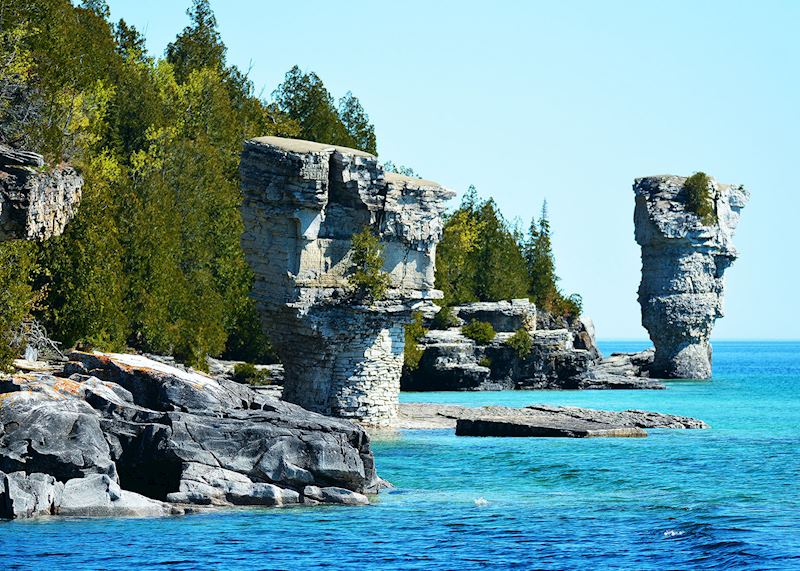
With its sky-scraping escarpment, haunting shipwreck graveyard, cobalt-blue waters, and gnarly ancient forests, the Bruce Peninsula easily takes the crown as my number one spot in Ontario.
You’ll find no shortage of hiking routes here. This includes the Bruce Trail, the oldest and longest footpath in Canada, which follows the length of the rollercoastering Niagara Escarpment. Along the peninsula’s section of the trail, you’ll walk between time-beaten cedar forests, staircase-like sea stacks, and moss-covered coves, with numerous nooks to observe the ultramarine sea. And, look out for wildlife, from chipmunks to deer to brightly hued salamanders. It’s also well worth a short detour to the Grotto, a cavernous sea cave beside (ice-cold) crystal-clear waters.
You might then leave the land behind to explore the underwater world of Fathom Five National Marine Park. If you’re not much of a diver, you can take a glass-bottom boat around the area, which is renowned for its playground of corroded relics (over 20 shipwrecks, some of them dating back to the 19th-century). Another highlight is Flowerpot Island, a small isle best known for its two flowerpot-shaped sea stacks, which stand topsy-turvy on the eastern shore. Just make sure you book your boat trop here in advance — it can be quite popular.
To stay close to the action, I recommend setting up base in the fishing town of Tobermory. When you’ve had your fill of the peninsula’s wilds, you can wander the settlement’s brightly painted streets and visit its galleries, ice-cream stalls, and whitewashed-wooden lighthouse.
10. Experiencing quieter wilds in Killarney Provincial Park
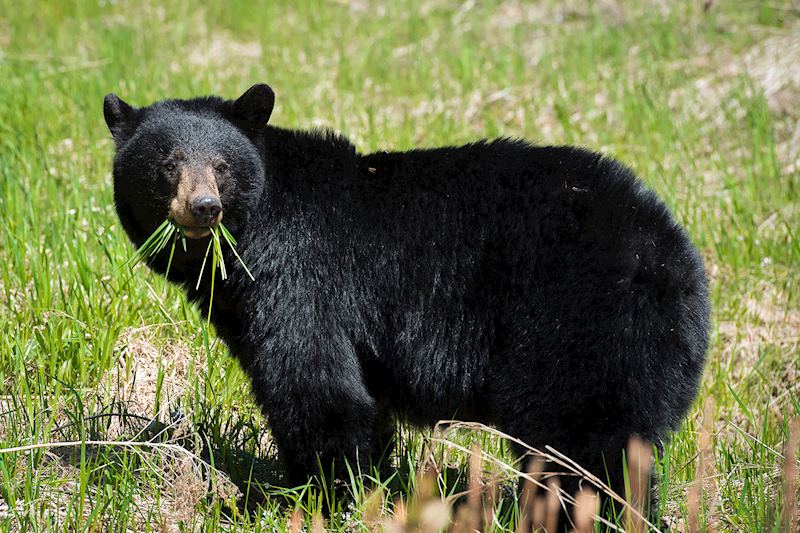
If you’ve been searching for a lesser-explored destination, I would encourage you to head over to Killarney Provincial Park on the northern tip of Georgian Bay.
The park is distinguished by not one but two rare geological phenomena, the first being the La Cloche Mountains. Comprised of ancient white quartzite sculpted by millions of years of glaciation, the range dazzles under the summer sun and feeds the glassy, sapphire lakes beneath it. It makes for a spectacular setting for spotting wildlife, and I’ve had friends see black bears and moose in the surrounding forests.
Besides hiking this postcard-pretty spot, you also have access to a plethora of outdoor activities, from fishing to canoeing. Plus, you’ll want to make time for watching the cosmos — thanks to little light pollution, the night sky is typically inky black and freckled.
The other of the park’s phenomena is the pink-and-red granite shoreline around Georgian Bay, which is surprisingly at its most striking when wet from the rain. However, when the skies are bright, you might prefer to relax in the grounds of Killarney Mountain Lodge, taking in views of the sparkling lakes and thick forestry that are quintessentially Ontario.
Best time to visit Ontario
Ontario is a place to visit any time of year, but visiting during the autumn (mid-September to mid-October) means you can appreciate the bright yellows, fiery reds, and burnt oranges of the changing leaves in places like Algonquin and Niagara-on-the-Lake. These fall displays are also far less visited than those in New England.
If you don’t mind the crowds, summer (specifically July and August) is another season when Ontario’s natural beauty shines. It’s the ideal time to head out on the lakes and rivers — and the wildlife are at their most active.
Read more about trips to Ontario
Start thinking about your experience. These itineraries are simply suggestions for how you could enjoy some of the same experiences as our specialists. They're just for inspiration, because your trip will be created around your particular tastes.
View All Tours in CanadaPlan your trip
Tell us about your plans and one of our specialists will plan a unique trip for you...
Make an enquiryRequest our brochure, The World Your Way

Order your digital copy via email.
Request a brochure